
Pressures, superheat, and the valve that feeds the coil
Walk-In Cooler Repair Tukwila, WA

Gauges on, readings taken, then a decision about parts, from a licensed crew holding EPA Section 608 Universal and HVAC/R certification.
Who calls us around Southcenter
A/C Dr. Naz handles walk-in cooler repair in Tukwila by reading the system before touching it: gauges on the lines, a probe in the product, a meter on the unit. Most calls come from restaurant and retail kitchens around Southcenter, hotel kitchens, and commissaries.
Plenty of warm-cooler calls end at a fan, a door, or a dirty condenser. The harder ones are boxes that run all day, frost over on only part of the coil, and still drift warm. That pattern often points at how refrigerant is getting into the coil, which is the expansion valve’s job, and it’s what the section below walks through.
Calling about a freezer? Low-temp boxes are covered on our walk-in freezer page, since this area doesn’t have one of its own.
Reach-in or prep-table trouble goes to a different page: refrigeration repair nearby.



What a starved coil looks like from the doorway
- Frost on part of the coil: the first rows ice up while the far end of the coil stays bare.
- Long run times: the unit outside hardly shuts off, yet the box creeps up through the afternoon.
- Fans fine, product warm: the fans spin and the door seals, but the probe still reads high.
- Frost on the line back to the compressor: the opposite fault, with too much refrigerant getting through, can show up this way.
“A valve that starves the coil and a system that’s low on refrigerant can look the same from the doorway. Subcooling is the reading that tells them apart.”
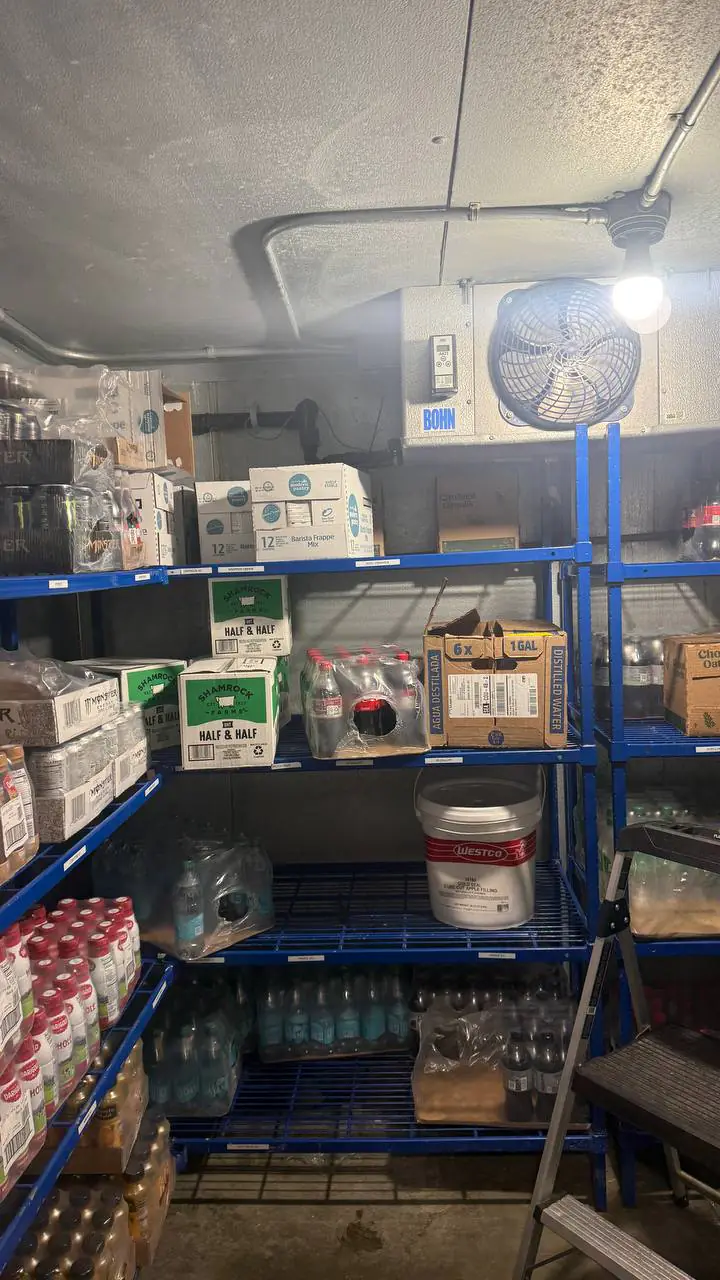
When the expansion valve isn’t feeding the coil
Between the condensing unit and the coil sits the expansion valve. It meters liquid refrigerant into the evaporator, going by a sensing bulb clamped to the suction line. If that bulb works loose, the inlet screen plugs, or the valve sticks, the coil gets too little refrigerant and the box can’t keep up. Stuck the other way, the valve lets too much through, and liquid can reach the compressor.
Until the tech arrives: keep trips in and out of the box to a minimum, and write the temperature down every thirty minutes.
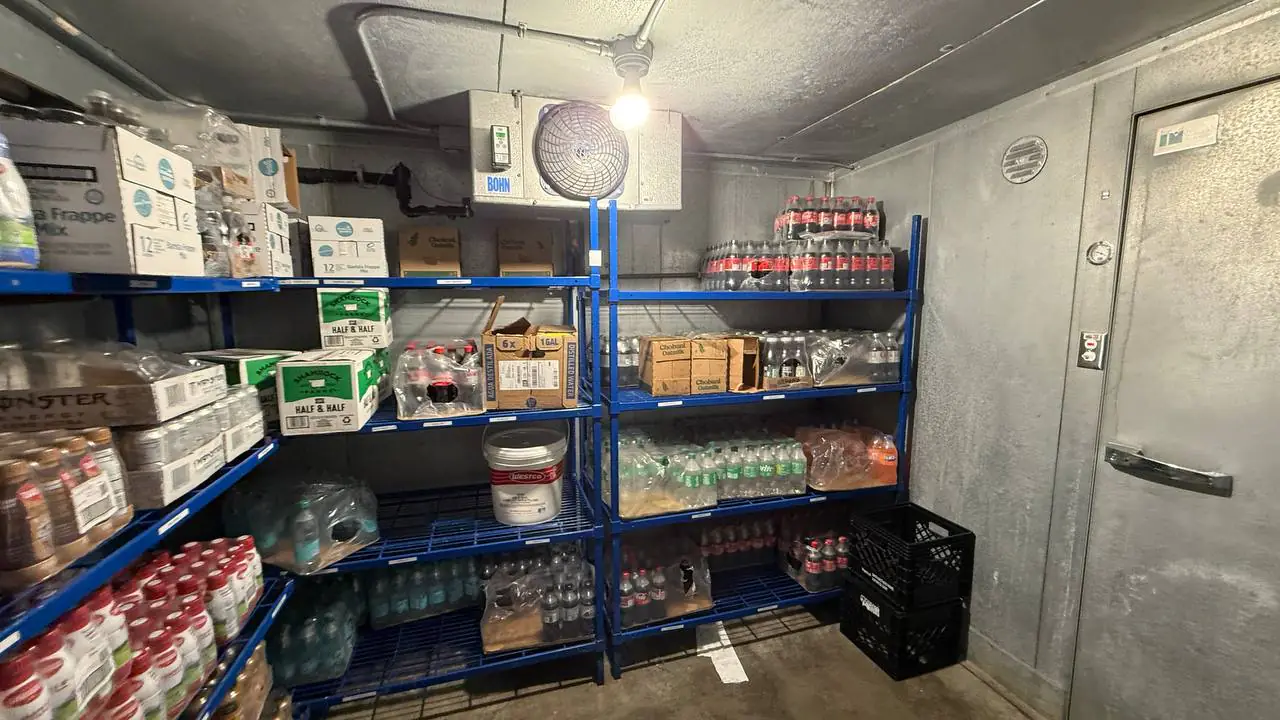
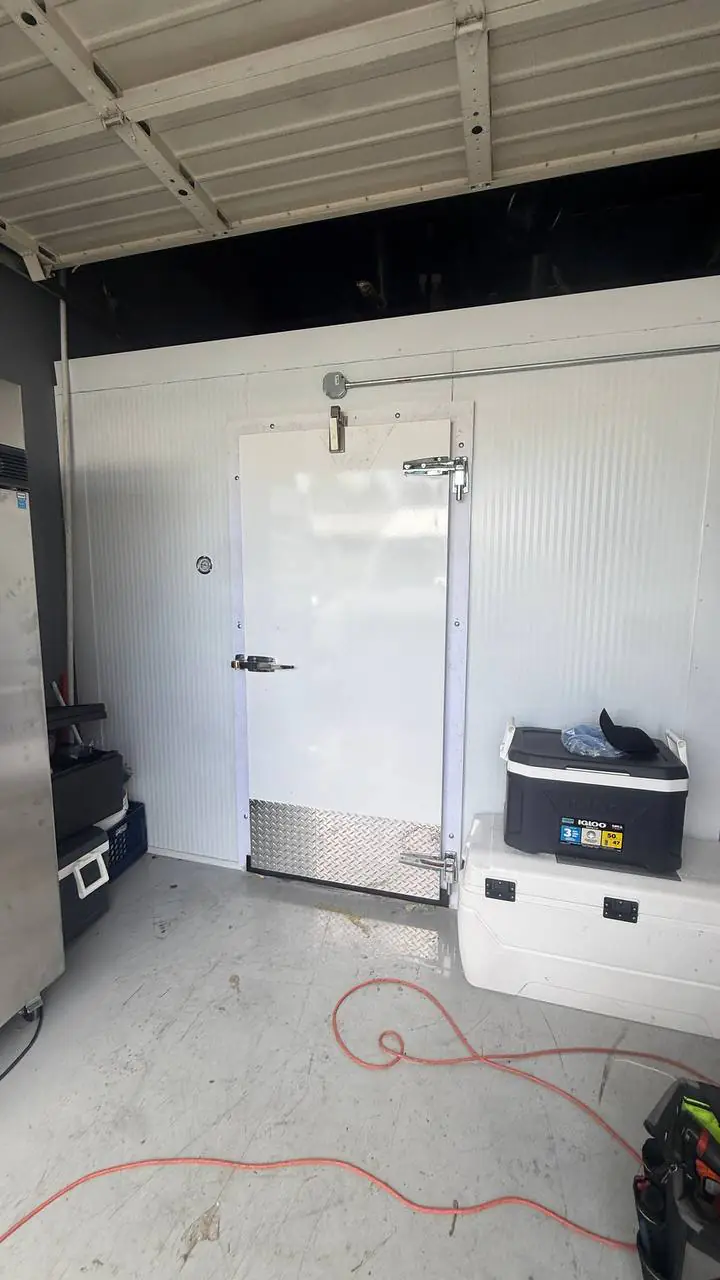
Superheat, subcooling, and the bulb
The gauges go on first, and the tech looks at three things:
- Superheat at the coil outlet: high superheat means the coil is being starved; very low superheat means it’s being flooded.
- Subcooling at the unit: when subcooling looks normal but superheat runs high, the charge is likely fine and the trouble sits at the valve or a restriction ahead of it.
- The sensing bulb: a tight clamp, solid contact with the suction line, and its insulation still in place.
“Replacing a valve that wasn’t the problem costs as much as replacing one that was. Nothing gets swapped until the numbers say so.”
Bulb, screen, drier, or valve
What gets done depends on where the readings point:
- Loose or bare bulb: clamped back onto the suction line and insulated, then the readings are taken again.
- Restriction ahead of the valve: a plugged screen or filter drier is cleared or replaced, with the refrigerant recovered first under EPA 608.
- A failed valve: replaced once the refrigerant is out.
Proving the fix
Once refrigerant reaches the whole coil, the frost spreads evenly and the box starts to pull down. Before leaving, the tech watches a full cycle end on its own. Your summary lists the last readings, the work done, and whatever part is still on the way.
Not every warm box is a valve problem. When the readings point to the charge, a fan, or the controls, that’s what gets fixed instead.
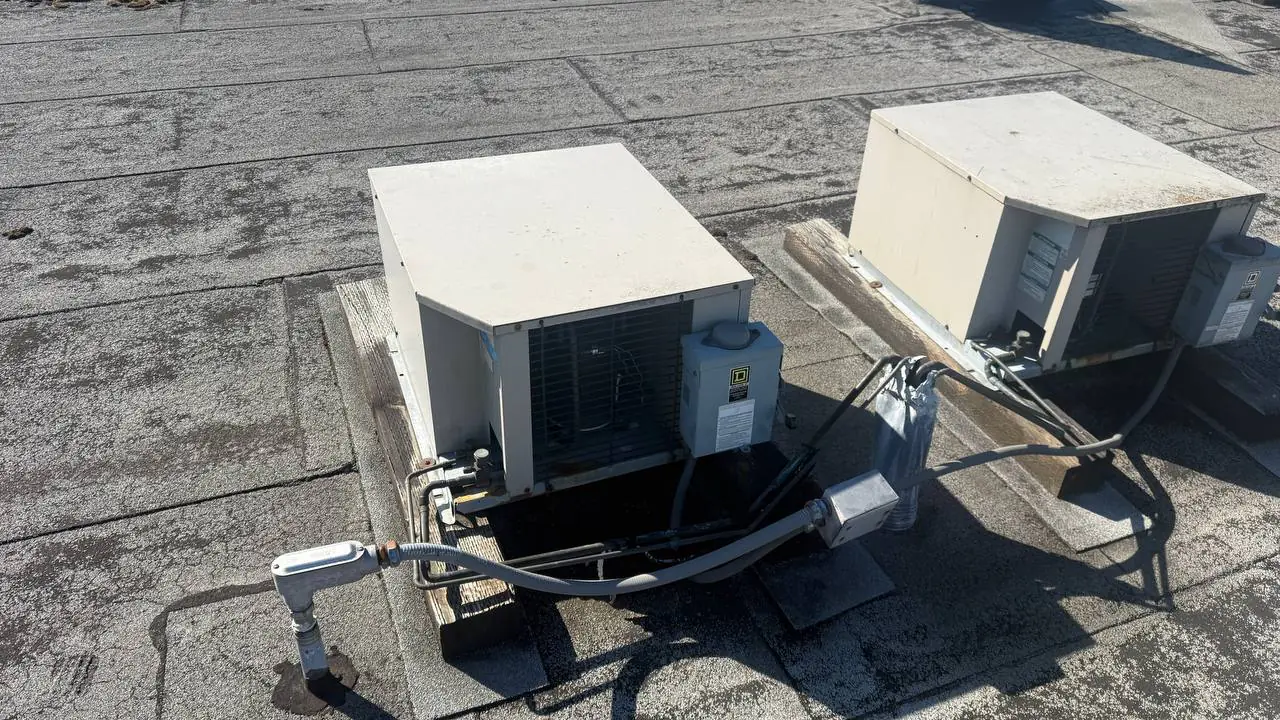

How the visit is run
Every visit starts with a probe in the product and a look at the display, and it isn’t finished until the box is cycling off at its setpoint again.
Any line that has to be opened gets its refrigerant pulled into a recovery cylinder first, and we’re certified for that work under EPA Section 608 Universal.
Pressures are read on digital manifold gauges, current with a clamp meter, and product temperature with a probe thermometer.
What we won’t skip:
- Repair, then recharge: no topping off a system that’s leaking or restricted.
- Outside the walk-in: if the trouble turns out to be a reach-in or something on the hot line, you’ll hear that on site.
- Still curious? Our questions page for refrigeration picks up where this page stops.
Service area from Southcenter to Allentown
Where the calls come from, area by area:
- Southcenter & Westfield: high-volume dining and retail
- Longacres & the manufacturing corridor: industrial kitchens and commissaries
- I-5 / I-405 hotels and logistics: hotel kitchens and quick-service
- Allentown & Foster: cafés and smaller dining rooms
- Near SeaTac: hotels and food service
Van Routes and Details to Have Ready
For walk-in cooler repair in Tukwila, the van runs through 98188, 98168, and 98178. Some days the schedule has room for a same-day visit and some days it doesn’t; either way, you’ll know the plan before the call ends.
On the phone, the most useful details are the reading from your last temperature log and whether you can hear the unit outside running.
Grocery and retail walk-ins get the same readings as restaurant boxes; what’s inside decides how urgent the visit is.
Different city, or different equipment? These pages cover it:
Next door, and the rest of the kitchen

What owners ask about expansion valves
Can the valve just be adjusted instead of replaced?
Often the valve isn’t the real problem. A loose bulb or a plugged screen can make a good valve look bad, so those get checked first. A valve that has actually failed is replaced, after the refrigerant is recovered.
Our coil frosts at one end and stays bare at the other. Why?
Usually because the refrigerant runs out before it reaches the end of the coil. A starving valve, a restriction ahead of it, or a low charge can each do that, and the readings show which one it is.
Can a flooding valve hurt the compressor?
It can. When too much refrigerant gets through, liquid can come back to the compressor, which is built to pump vapor, not liquid. Frost on the line returning to the unit is worth mentioning when you call.
Is a new valve put in the same day?
Only if the matching valve is on hand. If not, the valve is ordered, and you’ll know its cost and when it should show up before the tech goes.
A second walk-in on the same condensing unit, or on the other side of the wall? We’d like to know about it before we arrive.
Box running all afternoon and still not cold? Call (425) 535-8990, or send a request for a callback.
HVAC/R Certified | Locally Owned | Professional Diagnostics