
Mini Split Installation for Seattle Homes

Same-day Service | HVAC/R Certified
Authorized Daikin Comfort Pro & Goodman Pro Dealer
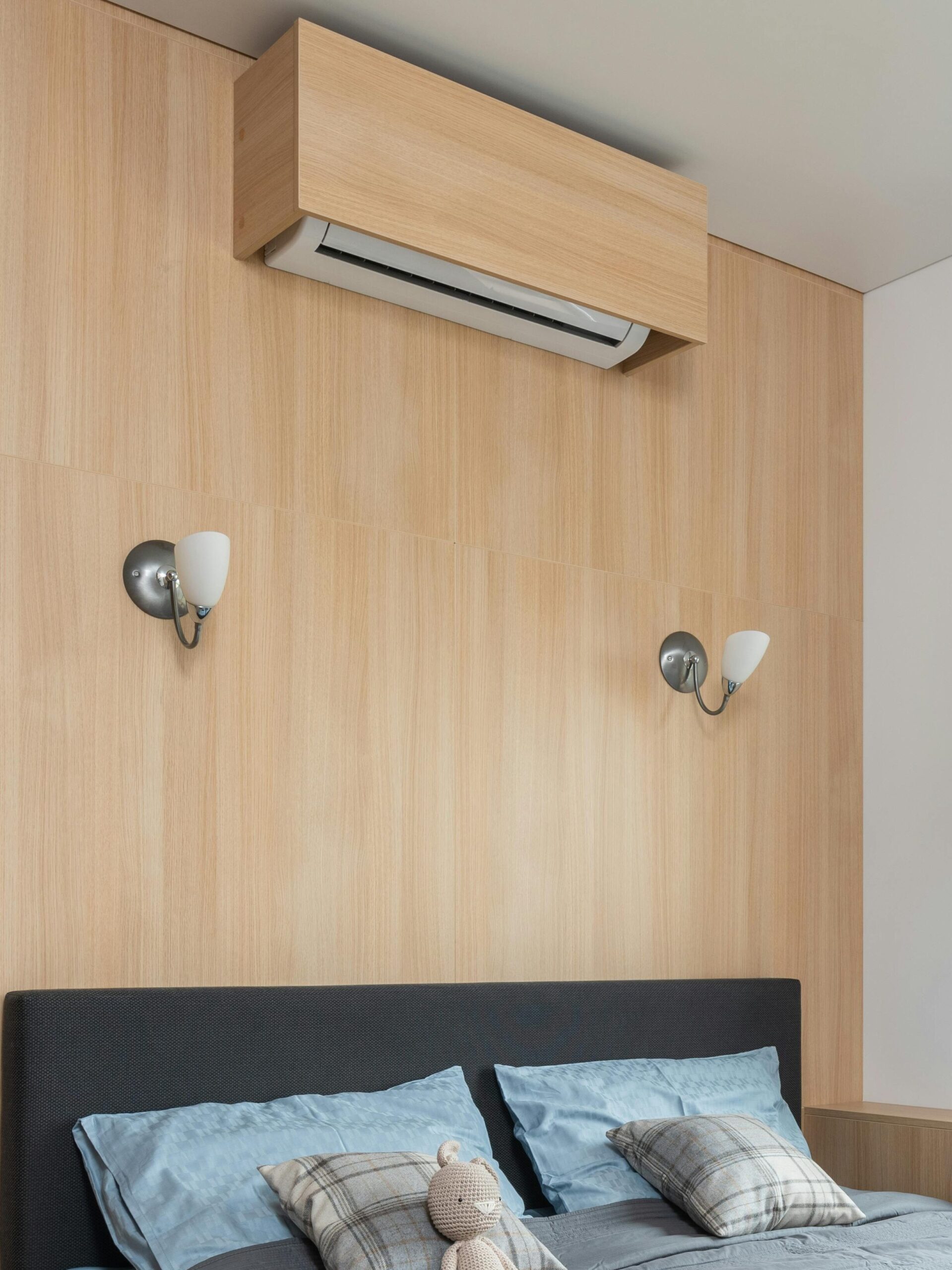









Mini Split Installation | Engineering Your Comfort in the Seattle Area
Seattle homes with no ducts, cold bedrooms, or tired baseboard heat are the jobs this page is for. At A/C Dr. Naz, ductless mini split installation starts with how you live in the house—then Manual J sizing and a clean install. Common residential needs include converting from baseboard heat to a mini split in Seattle, quiet air conditioning for Seattle bedrooms, and multi-zone comfort in Craftsman and condo layouts.
Unlike traditional systems that blast cold air and then shut off (causing uncomfortable temperature swings), our systems modulate their speed. This variable-speed technology creates a precise equilibrium, perfectly handling Seattle’s 45°F mornings and 65°F afternoons without the energy waste of “short-cycling.” The result is a ductless heat pump system that is whisper-quiet, highly efficient, and built for the unique Pacific Northwest climate. We don’t just install any equipment. As a Daikin Comfort Pro, we specialize in Daikin’s world-leading inverter technology, ensuring your system is sized perfectly for Seattle’s unique humidity and temperature swings.
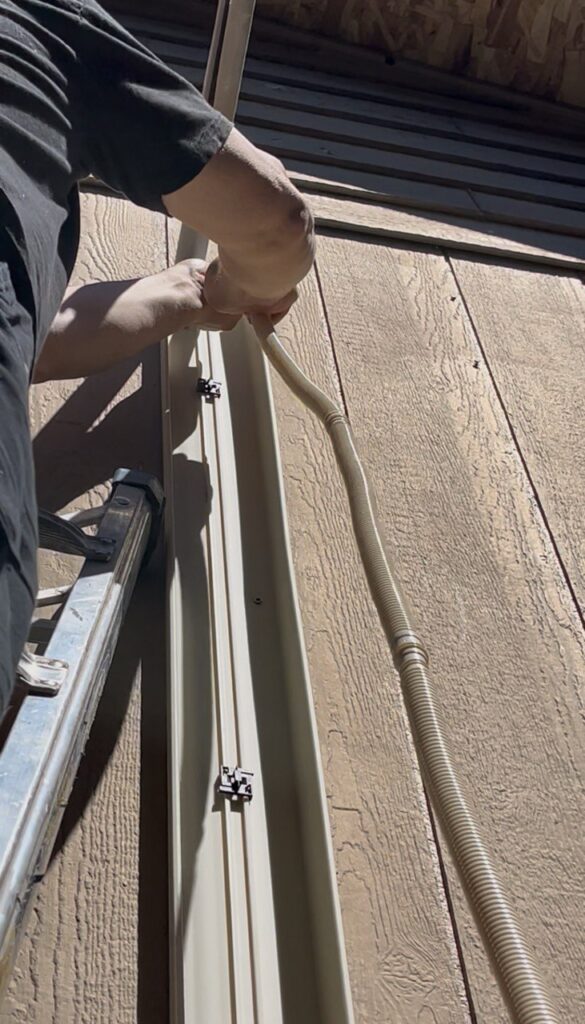
Mini Split Installation Cost in Seattle: 2026 Guide
Many Seattle homeowners ask, “How much does a ductless mini split cost?” While every home is unique, a professional installation in the Puget Sound area typically ranges from $3,500 to $14,500.
The final price depends on the number of “zones” (indoor heads), the BTU capacity required for your square footage, and whether you need a Hyper-Heat system for 100% heating capacity during our PNW cold snaps.
Estimated Price Breakdown by Project
Price Table
| System Type | Typical Use Case | Estimated Installed Cost |
| Single-Zone (1 Head) | Garage, Attic, or Master Suite | $3,500 – $5,500 |
| Multi-Zone (2-3 Heads) | Main Floor + Primary Bedroom | $6,000 – $9,500 |
| Whole-Home (4+ Zones) | Multi-story Seattle Craftsman | $11,000 – $17,000+ |
Pro Tip: Don’t just look at the sticker price. Inverter-driven systems can reduce your heating bill by up to 50% compared to electric baseboard heaters, often paying for the difference in equipment cost within 3–5 years.
How to Save: 2026 Seattle Rebates & Tax Credits
We help our customers “stack” incentives to lower the upfront cost of installation. In 2026, there are three primary ways to save:
1. Federal Tax Credit (Section 25C)
Under the Inflation Reduction Act, qualifying high-efficiency heat pumps are eligible for a federal tax credit of up to $2,000. To qualify, the system must meet specific SEER2 and HSPF2 efficiency ratings. We only install equipment that meets these rigorous standards.
2. Seattle City Light & PSE Rebates
- Seattle City Light: Offers “Instant Discounts” ranging from $400 to $600 for qualifying ductless systems.
- Puget Sound Energy (PSE): Homeowners switching from electric resistance heat (baseboard or wall heaters) may qualify for rebates up to $1,500, with “Efficiency Boost” bonuses up to $2,400 for income-qualified households.
3. Seattle “Clean Heat” Program (Oil-to-Electric)
If you are converting from an old oil furnace to a Mitsubishi Hyper-Heat system, you may be eligible for a $2,000 to $6,000 instant rebate through the City of Seattle’s Clean Heat program.
What Factors Influence Your Quote?
Mounting Style: Wall-mounted units are the most cost-effective, while recessed ceiling cassettes require more labor for framing and finishing.
Electrical Capacity: Does your panel have room for a new 240V circuit?
Line Set Length: Longer runs between the outdoor unit and indoor heads require more materials and labor.
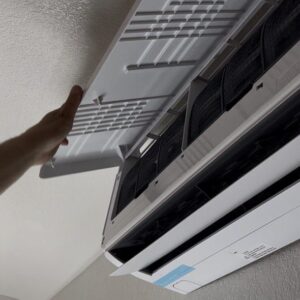
Same-day diagnostics when capacity allows
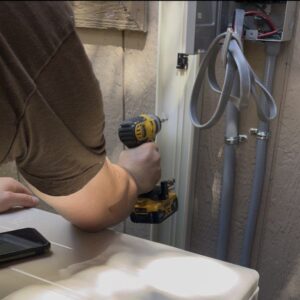
Expertise
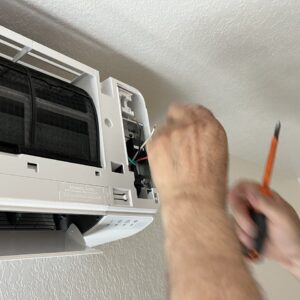
Transparent Pricing

Featured Project: Retrofitting a 1920s Ballard Craftsman
- The Challenge: Eliminating cold spots in a home with zero ductwork and old lath-and-plaster walls.
- The Solution: A 3-zone ductless system engineered for high-static heating.
- The Result: 40% reduction in winter heating costs compared to the previous electric baseboard heaters.
- Area Served: Ballard, Capitol Hill, Queen Anne, and West Seattle.
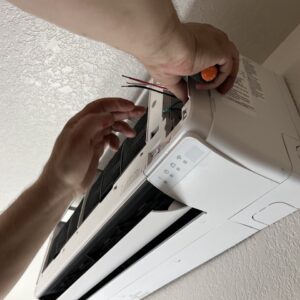
Residential Mini Split Installations
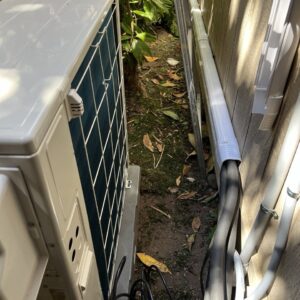
Fully licensed, EPA Certified, and experienced technician
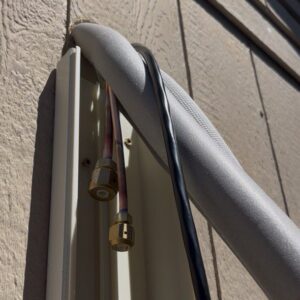
Accurate diagnosis using industry-grade tools
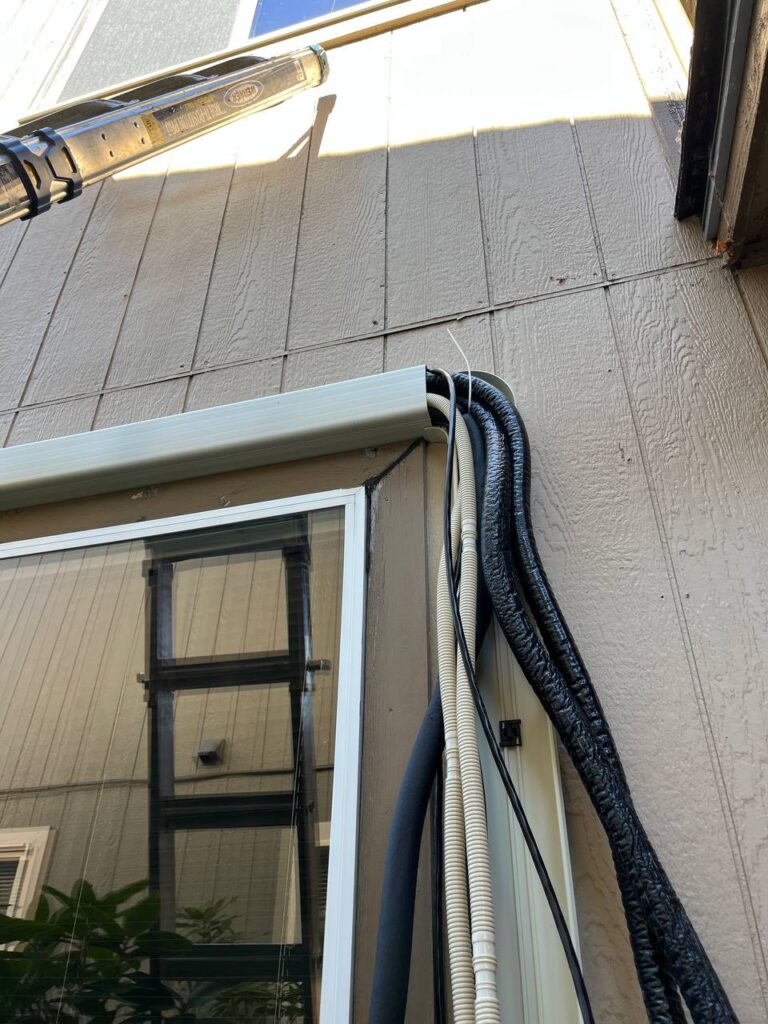
The 500-Micron Standard: Why Engineering Precision Matters
The 500-Micron Standard: Why Engineering Precision Matters
At A/C Dr. Naz, we don’t just “install” mini splits; we engineer them for a lifetime of performance. The single most critical step in a professional HVAC installation is the evacuation process, and our “500-Micron Standard” is what separates a high-end system from a premature failure.
What is a Micron, and Why Does it Matter?
When we connect the refrigerant lines between your indoor and outdoor units, the pipes are filled with regular Seattle air. That air contains two enemies of your HVAC system: moisture (humidity) and non-condensable gases (oxygen and nitrogen).
If a technician simply “purges” the lines or performs a quick 15-minute vacuum, microscopic amounts of moisture remain. When mixed with modern POE oils and refrigerants, this moisture creates hydrofluoric acid, which eats the compressor motor from the inside out.
Our Triple Evacuation Protocol
To ensure your system is truly “surgical-grade” clean, we follow a strict Triple Evacuation process:
- The Initial Pull: We use a high-cfm vacuum pump to remove the bulk of the air.
- Nitrogen “Sweeping”: We break the vacuum with dry nitrogen. Nitrogen acts like a sponge, soaking up any remaining moisture molecules hiding in the copper pores.
- The 500-Micron Deep Vacuum: We pull a final vacuum until our digital micron gauge reads 500 microns or lower. For perspective, atmospheric pressure is 760,000 microns. We are removing 99.9% of the air to ensure a pure refrigerant environment.
The “Decay Test” Advantage
A true 500-micron pull isn’t enough; it has to stay there. We perform a Vacuum Decay Test on every installation. We valved off the pump and monitor the gauge.
- If the numbers rise rapidly, there is a leak (which we fix immediately).
- If they rise and then stabilize, there is still moisture (requiring more evacuation).
- If they stay steady, your system is hermetically sealed.
Why This Protects Your Investment
- Prevents Acid Formation: Eliminates the chemical reactions that cause “burnouts.”
- Maximum Efficiency: Air in the lines acts as an insulator, forcing the compressor to work harder. A deep vacuum ensures 100% heat transfer.
- Quiet Operation: Non-condensables cause “slugging” and vibration; a clean system is a whisper-quiet system.
When you hire A/C Dr. Naz, you aren’t paying for a “quick swap.” You are paying for an EPA Universal Certified technician who uses digital precision to ensure your mini split lasts 15 to 20 years, not just 5.
Single-Stage Central Air vs. Inverter Mini Splits
| Feature | Single-Stage Central Air | Inverter-Driven Mini Split |
| Compression | Binary (On/Off) – Runs at 100% until off. | Variable Speed – Modulates to match load. |
| Energy Loss | High – 20-30% lost in ductwork. | Zero – No ducts means zero distribution loss. |
| Noise Level | Loud (60-75 dB) | Very HighWhisper Quiet (19-45 dB)Very High |
| Heating | Often requires separate furnace. | All-in-One – Hyper-Heat down to -13°F. |
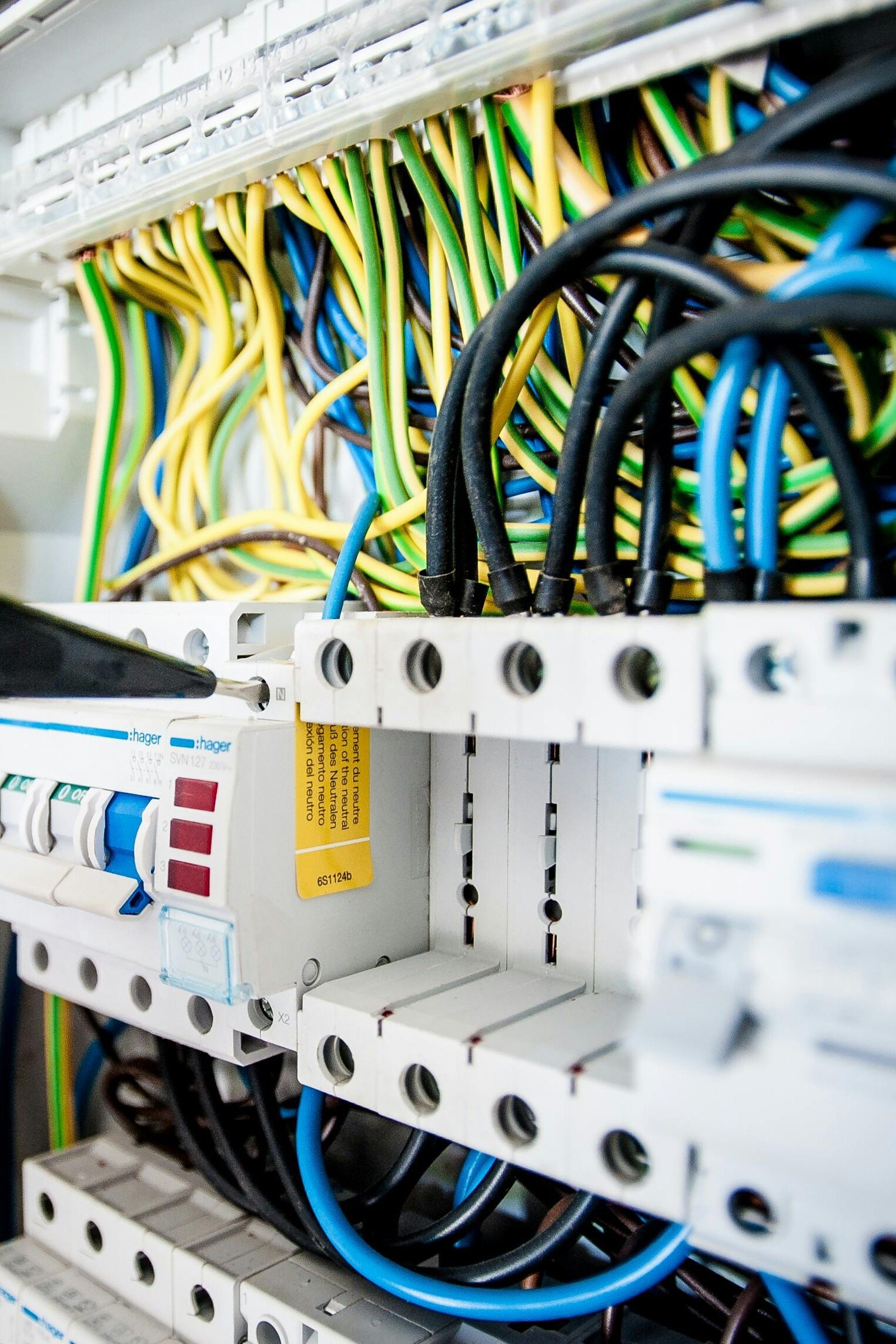
Maintenance vs. Repair vs. Replacement
| Service | When to Choose | Benefits |
| Maintenance | Annually (Spring) | Validate warranty, clear drains, check refrigerant charge. |
| Repair | Error Codes / Leaks | Fix specific component failures like control boards. |
| Replacement | Old R-22 Systems | Upgrade to SEER2 efficiency & Hyper-Heat technology. |
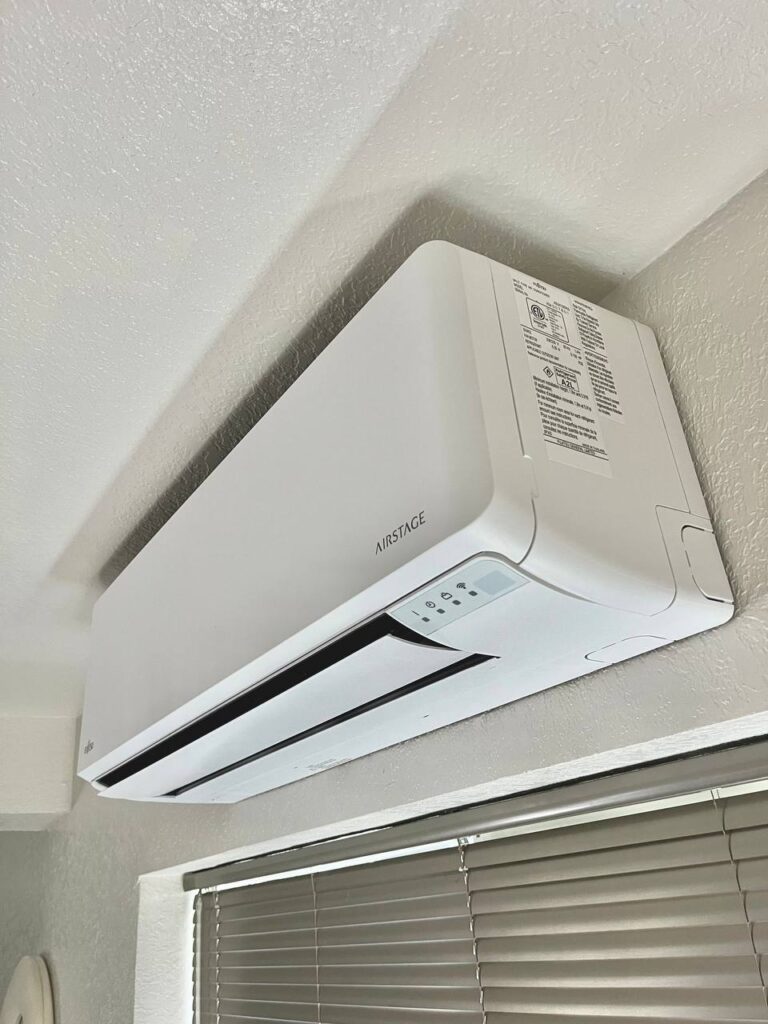
FAQ: Ductless Mini-split
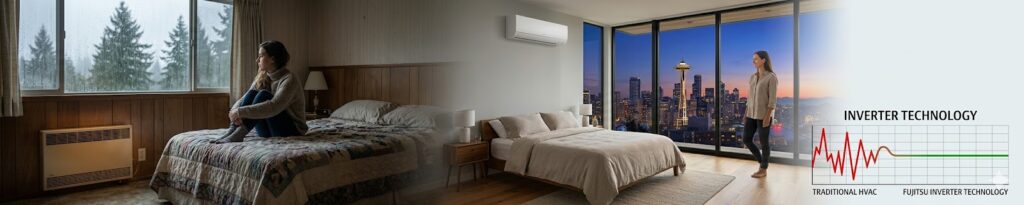
The A/C Dr. Naz Standard: Inverter Technology & 500-Micron Installation Precision
At A/C Dr. Naz, we move beyond simple “AC installation” to provide high-performance, inverter-driven climate management engineered specifically for the Pacific Northwest. Recognizing that installing a ductless mini split is a technical decision that fundamentally alters your home’s thermal dynamics, we specialize in converting from baseboard heat to mini split systems in Seattle and designing ultra-quiet air conditioning for Seattle bedrooms. Our commitment to longevity is defined by The 500-Micron Standard; using digital gauges, we perform a triple evacuation and nitrogen purge to pull a deep vacuum, ensuring every system is hermetically sealed and free of the moisture that causes premature compressor failure. This precision extends to our multi-zone strategy, where we use ACCA-approved Manual J load calculations to solve the common “hot upstairs” problem, perfectly balancing Seattle’s 45°F mornings and 65°F afternoons without the energy waste of “short-cycling.” Whether you are navigating 2026 federal tax credits, seeking a Ductless Heat Pump with 100% capacity at -4°F, or needing a slim Daikin Fit unit for a tight zero-lot-line property, our EPA Universal Certified team provides the specialized engineering and same-day diagnostic scheduling your home deserves.
Technical Insights: Inverters & Smart Controls Modern residential comfort relies on more than just “turning on the AC.” As a Daikin Pro, I specialize in the installation of systems utilizing advanced Inverter Technology for Mini-Split Efficiency, which allows your compressor to modulate speed rather than wasting energy on constant start-stop cycles. To get the most out of these systems, we implement Smart Thermostat Communication Logic, ensuring your controls can exchange real-time data with the outdoor unit for peak performance. See our full Residential HVAC Technical FAQ for more system engineering details.
Why Choose A/C Dr. Naz for Mini Split Installation?
- Engineering First – We don’t guess; we calculate using Manual J standards.
- Leak-Proof Guarantee – We use digital torque wrenches and nitrogen purging.
- Code Compliance – Full adherence to Seattle Mechanical Code & permitting.
- Local Expertise – We understand the specific humidity and heating loads of the PNW.
The Daikin Comfort Promise
As an official Daikin Comfort Pro, we don’t just walk away after the install. If you have any issues with your new system within one year of installation, we will return to your home and resolve the problem at no cost to you. That is the level of engineering and accountability A/C Dr. Naz provides.
Keep your home comfortable year-round with the trusted local authority in ductless engineering.
Residential mini split installation throughout Greater Seattle:
Eastside: Bellevue, Kirkland, Redmond, Issaquah, Sammamish, Mercer Island
Near south: Tukwila, Normandy Park
North: Shoreline, Edmonds, Lynnwood, Mountlake Terrace, Everett, Marysville
Serving Capitol Hill, Ballard, Queen Anne, West Seattle, and Magnolia.
No matter where you live in the greater Seattle area, we prioritize fast, reliable residential service with the expertise your home deserves. Business / commercial heat-pump work is covered on our commercial heat pump repair page.