Commercial Ice Machine Repair for Bars, Kitchens and Grocers
An ice maker that stops dropping cubes on a busy Friday night leaves a bar scrambling. A/C Dr. Naz handles commercial ice machine repair for restaurants, bars and grocers around Greater Seattle, on modular cubers, undercounter units and the bins that sit under them.

Snap a photo of the serial plate and tell us where the machine lives in your kitchen. We’ll check parts and the route before we give you a visit time.
When the bin stays empty
Most no-ice calls come down to a handful of causes. On a commercial ice machine repair visit, the tech watches a full freeze and harvest cycle first, then checks the bin control, the water fill and how much scale has built up on the evaporator plate. Seeing the machine run before touching anything is how we avoid replacing a board when the real problem was a clogged water filter.
🧊 Priority Dispatch & Commercial Ice Machine Safeguard Protocols
⚡ Commercial Ice Machine Emergency Triage Protocol (Bar & Kitchen Down)
When a commercial ice maker stops dropping ice or alarms during service, follow this 4-step emergency triage sequence before dispatch arrives:
- Verify Water Supply & Pressure: Check inline shutoff valves. Water pressure must read 20–30 PSI. A clogged water filter starves the sump and trips freeze lockouts.
- Check Bin Thermostat & Curtain: Ensure fallen ice isn’t propping the curtain open. If the curtain sensor is tilted, the machine halts production, believing the bin is full.
- Observe Freeze vs. Harvest State: Listen to the compressor. If water flows and ice forms but won’t drop, the harvest valve failed. If no frost forms, check airflow.
- Request Priority Commercial Dispatch: Call (425) 535-8990 with machine brand (Manitowoc, Hoshizaki, Scotsman) and model from the data plate.
⚠️ SAFETY & SANITATION NOTICE
Technical & Food-Grade Information Only: Commercial ice makers combine high voltage (115V–230V) with potable water systems. Checklists are for kitchen triage only.
Never use ice picks or metal knives to chip cubes off evaporator plates—this punctures nickel plating and causes total evaporator replacement. Never mix sanitizers with acid descalers. A/C Dr. Naz does not authorize parts replacement or diagnose sealed refrigeration faults prior to physical, on-site instrument measurements. EPA 608 Universal required.
The usual suspects
- Cubes that freeze onto the plate and never drop, or a bin switch stuck telling the machine it’s full
- A sticking water valve or float that leaves the sump half empty, or lets it spill onto the floor
- Hard-water scale that stretches each freeze cycle until a safety shuts everything off
- Remote condensers that run high head pressure whenever the kitchen or the roof gets hot
- Clogged condenser coils, dead fan motors and control boards that quit halfway through a batch
After the tech finishes
We tell you what the machine did at each stage, which part caused the trouble, and whether a cleaning, a repair or a replacement makes the most sense. If scale is the main issue, we’ll say so plainly rather than sell you parts you don’t need.
When cubes won’t release, the cause usually hides somewhere in the harvest sequence. Our guide to stuck harvest cycles walks through what we test.
Line kitchens run hot, and that heat works against an ice maker all shift long. This article on hot kitchens and cold equipment explains why.
Our credentials are listed further down, along with how we handle refrigerant.
If the trouble turns out to be a walk-in box, skip to the section near the bottom that points you to the right page.
When you call, mention whether you’re getting no ice at all or just small, cloudy cubes. That one detail changes which parts we load on the van.
Everything on this page is about the machines that make ice, not the boxes that store food.
There’s more reading in our full collection of field notes if you want it.


Photos from the field
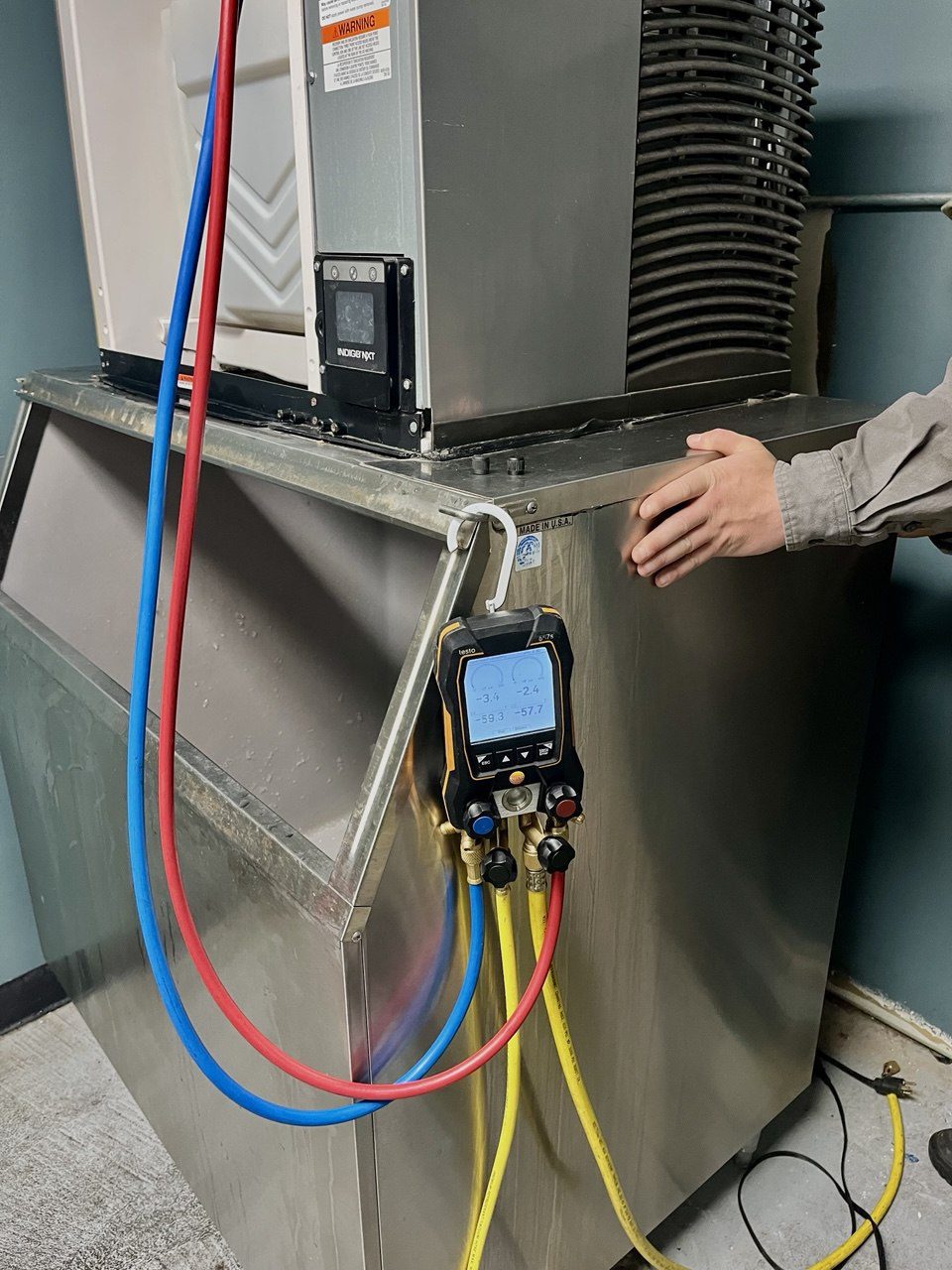
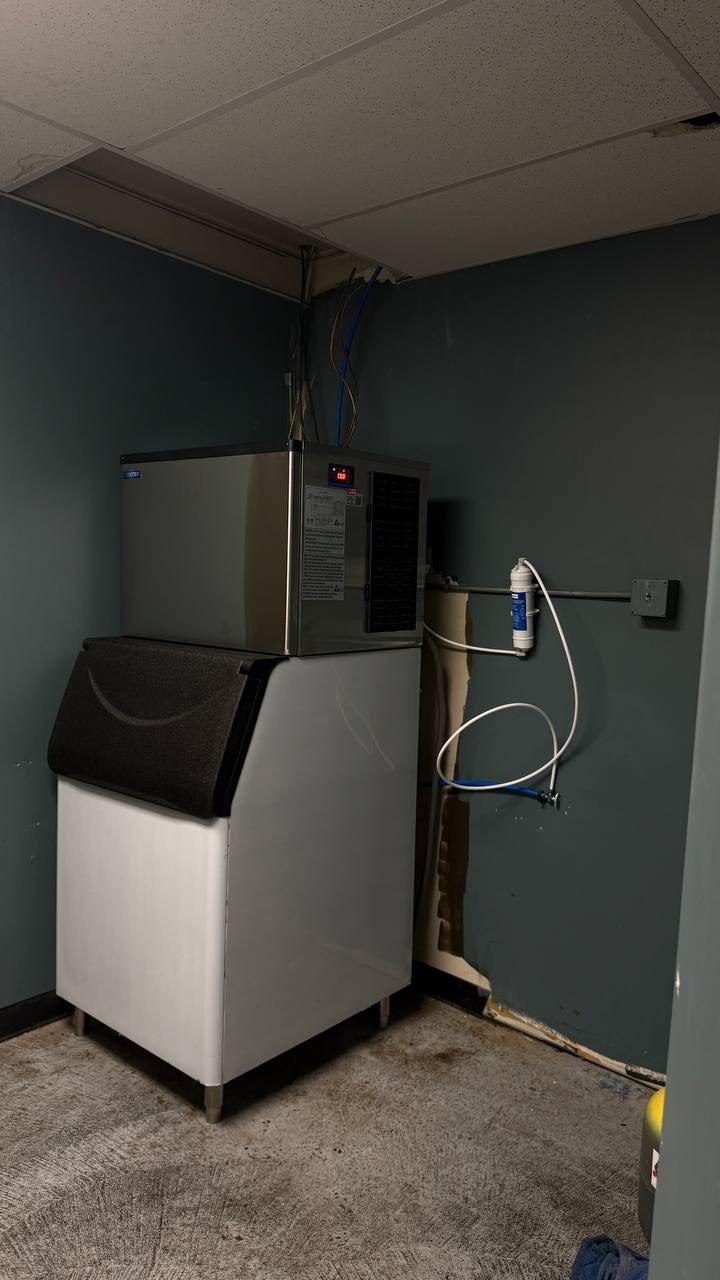
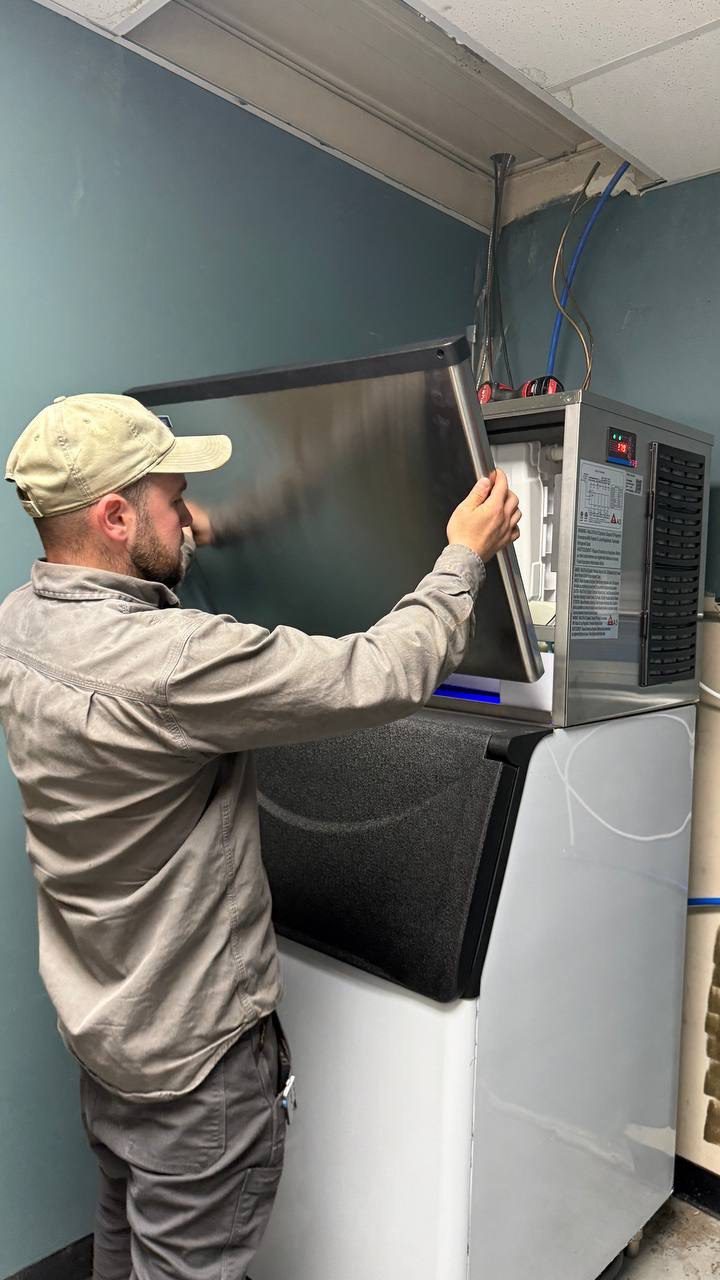
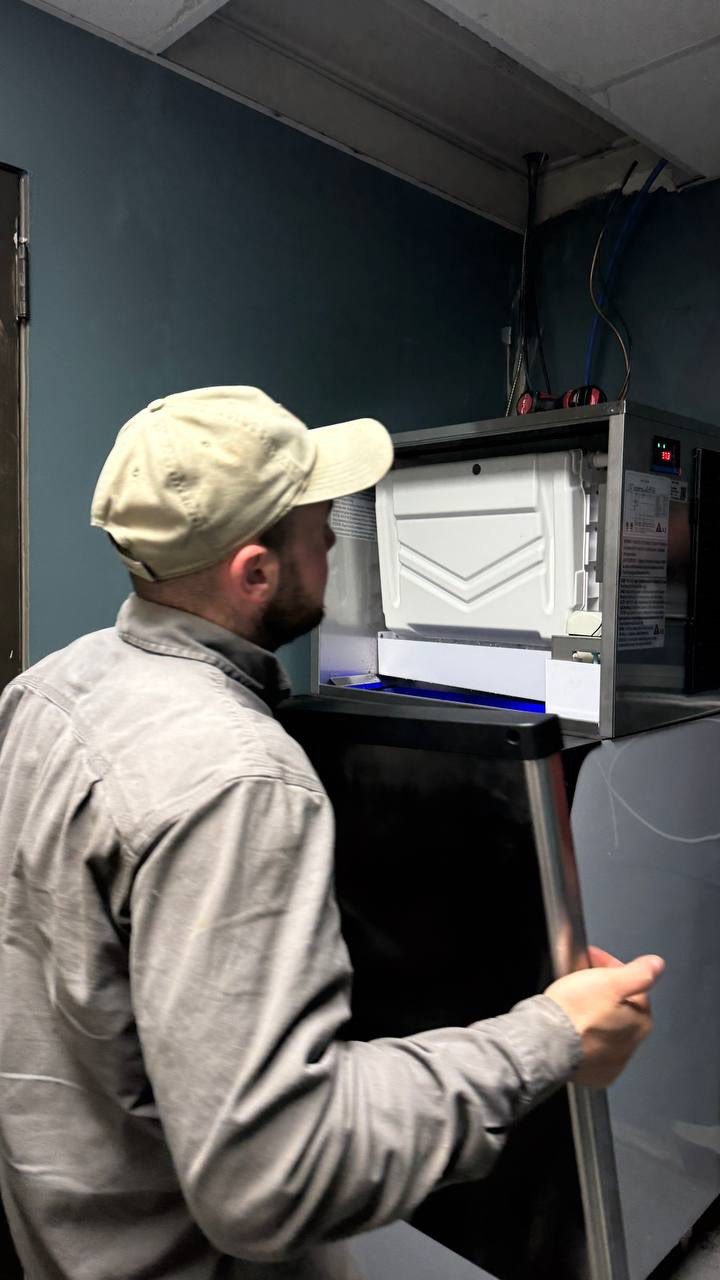
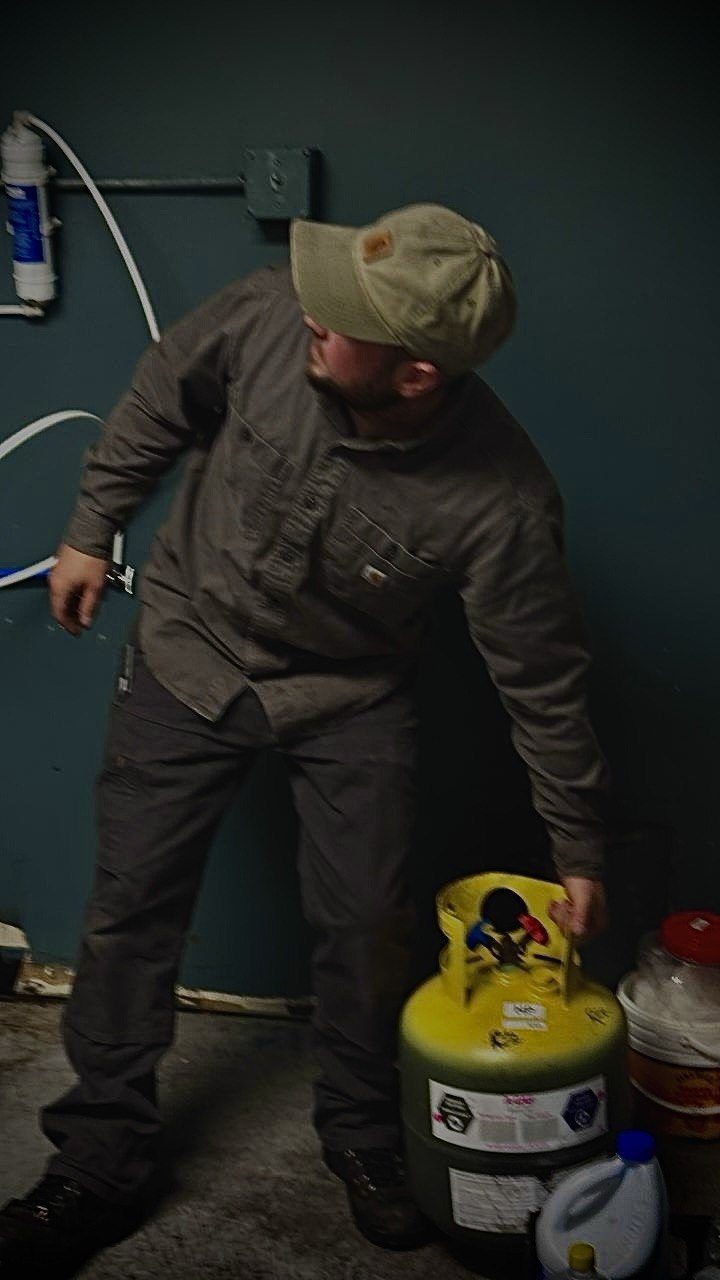
These shots come from jobs in restaurant and retail kitchens, from tall modular heads down to compact undercounter units.
Cities on our ice machine route
Our vans cover Seattle, the Eastside and Snohomish County out of our Marysville shop. Visit times depend on how busy the day is and whether the part is already on the truck, so we confirm your address before booking.
Looking for your city? Each link below opens a page for that area. You can also call (425) 535-8990 and tell us the city and whether your machine is an undercounter, a modular head or a bin unit.
Local pages by area
(A quick call to (425) 535-8990 tells you how soon we can get there.)
King County cities
Snohomish County cities
Need help with a walk-in or a reach-in instead? That link sits in the cold storage section below.
Machines and parts we work on
Most of our commercial ice machine repair jobs involve cubers, undercounter machines and bin units in restaurants, bars, grocery stores and back-of-house kitchens. Walk-in boxes and building heating or cooling equipment are covered on other pages of our site.
The hardware itself
- Cube machines cooled by air or by water, along with undercounter and freestanding bin units
- Remote condensing units and the refrigerant lines that run up to the ice head
- Filtration cartridges, inlet valves and floats, plus the distribution tube over the evaporator
- Ice-making plates, the parts that push cubes loose, and coils buried under fryer grease
What callers usually describe
- Thin, hollow or cloudy cubes, or freeze cycles that drag on far too long
- Bin-full and ice-thickness probes that read wrong, depending on the model
- Safety trips for high pressure, low water or a harvest that times out
- Kitchens so warm that the machine struggles to finish each batch
| Ice Machine Breakdown Symptom | Diagnostic Root Cause | Immediate Action | Technical Reading Required |
|---|---|---|---|
| Compressor Runs, Water Flows, but No Ice Forms | Failing condenser fan, low refrigerant charge, or bypass valve leaking | Verify air filter is clean; ensure ambient temp is below 90°F | Suction pressure (psig), liquid line temperature, compressor amp draw |
| Thick Ice Slab Forms but Won’t Drop into Bin | Defective hot gas bypass valve, bad harvest assist probe, or mineral scale | Switch to manual harvest or OFF; do not chisel ice off plate | Hot gas solenoid coil voltage (VAC), harvest probe resistance curve |
| Thin, Deformed, or Hollow Ice Cubes | Restricted water distribution tube, worn water pump, or scaling | Inspect water trough level; check water filter pressure drop | Water inlet flow rate (GPM), pump motor resistance (Ω) |
| Machine Shuts Down Randomly / Flashes Alarm | High-pressure safety cutout (dirty air condenser) or bin probe open | Blow dust off air-cooled condenser coil; check bin switch curtain | High-pressure cut-out continuity, bin control switch micro-voltage |
Credentials and how we troubleshoot
Any refrigerant we recover or add is handled by a tech with Universal certification, following EPA Section 608. We carry insurance and a contractor license, CC ACDRNDN753PG. If you’re curious what Universal certification allows, our short explainer on the credential covers it.
We don’t run a round-the-clock line, though we can often come out the same day when capacity allows. This comparison of same-day and 24/7 service explains the difference.
Before any part comes out, we compare what the machine is doing with its sequence of operation, the order each step is supposed to happen in. That keeps us from mistaking a symptom for the cause.
Background reading before the visit
Here are a few more resources if you’d like some background before we arrive.
Our harvest and hot-kitchen articles are linked in the troubleshooting section near the top.
Walk-in questions get their own section just below, and the full set of field notes is linked at the end of that same troubleshooting section.
The FDA Food Code 2022 counts ice as food, so a dirty bin is a food-safety problem and not just a maintenance chore. When a repair means opening the sealed system, EPA Section 608 sets the rules for the refrigerant.
When the problem is a walk-in, not an ice maker
A warm walk-in cooler or a walk-in freezer that won’t hold temperature is a different kind of job. Start at our commercial refrigeration repair page, and it will point you to the right box.
Questions owners ask us
My machine froze up and won’t harvest. Can someone come today?
We can often get there the same day when capacity allows. Call with your address and tell us whether you’re seeing no ice or thin, wet cubes.
My ice maker is at home. Can you help?
No. We only service commercial machines in places like restaurants, bars and grocery stores, so a fridge or countertop unit at home isn’t something we can take on.
Can you work on my brand of machine?
We work on the commercial machine families most kitchens use. Whether a repair makes sense depends on the age of the unit and whether its control board and parts can still be found, so a nameplate photo helps us tell you before we drive out.
Can I book through the website instead of phoning?
Yes. Send our contact form and someone will phone you to pick a time. For a machine that’s already down, calling (425) 535-8990 is usually quicker.
Is there somewhere to read more before I call?
Yes. Our main FAQ page answers shorter questions about how we work.
Is your ice bin running low before the dinner rush?
We’ll give you a realistic arrival window once we know your address and which part you might need.