
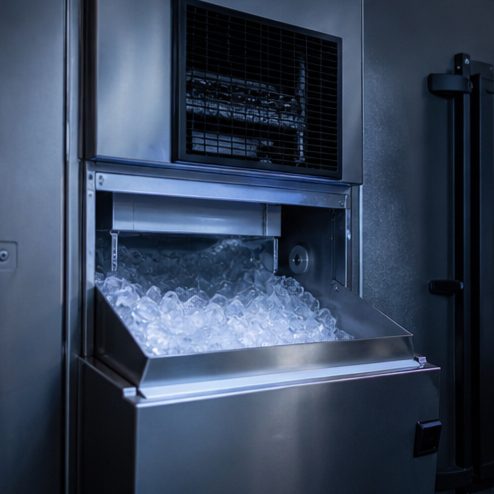
Ice machines and line refrigeration are not dramatic—they are sensitive. When Seattle kitchens heat up behind the line, marginal systems tip first: nuisance trips, long harvest cycles, warm bins, or alarms that “clear” after a reset until the next rush proves nothing.
Seasonal readiness landing page: Seattle hospitality peak‑season readiness.
Why heat hits ice and line circuits harder than walk‑ins (sometimes)
Line-adjacent equipment fights hotter ambient continuously—often worse than a walk‑in box isolated deeper in BOH. Condenser airflow margins shrink; discharge temperatures climb; controls cycle aggressively; failures surface as intermittent behavior exactly when tickets spike.
Alarm patterns operators describe under surge loads
- High‑pressure / high‑temp faults tied to afternoons and heavy line activity.
- Water-related faults masquerading as refrigeration faults when supply/filtration issues coincide.
- “Fine until Friday” behavior correlating with cleaning schedules, humidity swings, and sustained compressor duty.
Walk‑ins still deserve separate mental routing
Inventory drift in walk‑ins remains its own failure mode under rush pulls—don’t merge tickets blindly:
Walk‑In Cooler Problems That Show Up Only During Busy Nights
When guest zones complain too—don’t mis-route ventilation imbalance
If dining drift tracks hood-heavy periods, pressure cues appear before temperatures stabilize—split ventilation versus refrigeration responsibilities early:
Routing links + dispatch packaging
Cold-side hub intent: commercial refrigeration repair. Rooftop/split summer margins for dining conditioning: Rooftops & Splits on Peak Summer Nights.
Send better dispatch packets (photos/codes/timing): What Photos and Details Actually Help.
Scheduling honesty
Same‑day depends on capacity. Surge weekends can flood coordination boards—accurate triage information fixes more nights than slogans.
Call (425) 535-8990 · contact / callback.