
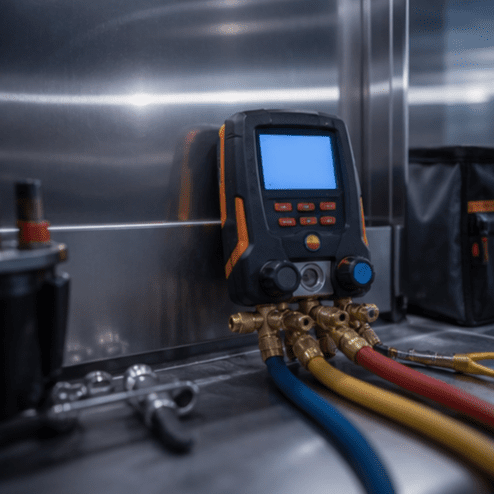
Dispatch speed is not magic—it is information quality. When Seattle-area hospitality facilities send scattered fragments (“it’s warm sometimes”), coordination slows because risk cannot be ranked and tooling cannot be matched to intent.
Peak-season framing: Seattle hospitality peak‑season readiness.
Separate inventory emergencies from comfort emergencies
Cold-side drift threatening product belongs in refrigeration routing conversations first. Guest-floor discomfort may involve rooftop/MUA logic—but spoilage timelines compress decisions.
Cold-side reads: Walk‑Ins Under Busy Nights · Ice & Line Refrigeration Alarms.
Send timing tied to operations—not vibes
- When it began relative to rush (first seating, late plating window, post‑event teardown).
- Whether symptoms track hood-heavy periods (ventilation coupling cues).
- What changed recently: filters, setbacks, tenant modifications, cleaning events.
Ventilation balance primer: Hood Exhaust vs Makeup Air.
Photos that actually reduce guessing
- Readable nameplates (model/serial/voltage where visible safely).
- Controller/alarm screens when accessible—verbatim codes beat paraphrase.
- Obvious icing/oil traces/water patterns—only when safe to capture.
Access and escalation realities
Roof rules, after-hours escorts, and mechanical room locks decide whether a competent dispatch becomes a wasted trip. Confirm pathways before committing technicians—especially during surge weekends.
Summer rooftop behavior context: Rooftops & Splits on Peak Summer Nights.
Honest scheduling language
Same‑day depends on capacity. Multiple venues can spike concurrently across Puget Sound routing—triage is part of professional dispatch, not a failure.
Call (425) 535-8990 · contact / callback. Pre‑season prevention posture: Pre‑Season HVAC/R Checklist.