
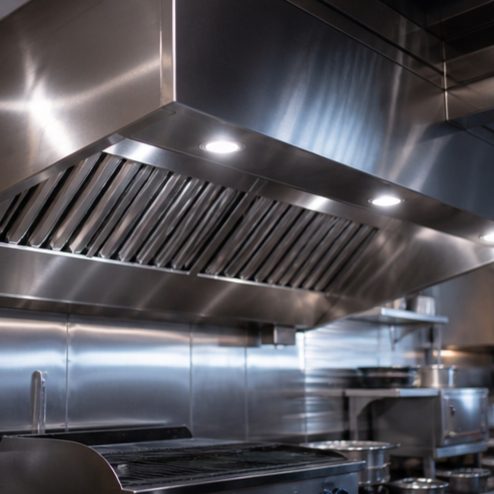
On slammed hospitality nights, Seattle kitchens rarely debate whether they are busy—they debate why the dining room feels stale, warm, or oddly pressurized while the line keeps cooking. Sometimes the complaint really is commercial cooling capacity. Often it is simpler and uglier: your ventilation balance stopped being balanced.
This article is written for commercial operators (restaurants, hotel pods, banquet support kitchens). If you want the broader readiness framing for surge weekends and tourism-heavy scheduling, start here: Seattle hospitality peak‑season readiness.
What “comfort drift” actually means in a packed venue
Comfort drift is not a single sensor reading. It is the guest‑area experience when sensible temperature creeps, humidity feels clingy, doors resist closing consistently, or staff describe “the AC can’t keep up” even though rooftop equipment is running.
Behind that feeling are airflow relationships: exhaust removes air aggressively from the kitchen zone; replacement air must arrive through designed makeup-air paths and coordinated HVAC supply. When those relationships slip under peak exhaust events, you get predictable outcomes:
- Negative pressure spikes: harder doors, whistling gaps, grease capture behaving differently.
- Supply air gets robbed: the building pulls from the easiest leaks instead of delivering stable conditioning where guests sit.
- Stratification worsens: pockets feel hot while sensors elsewhere look “okay enough.”
Why this peaks during service—not during your slow Tuesday
Peak nights increase simultaneous exhaust demand, door cycles, dish activity, and cooling loads while patrons pack adjacent spaces. Controls that looked stable at partial load now chase conditions they cannot stabilize without correcting airflow fundamentals—not only lowering a setpoint.
This is also why temporary thermostat tweaks feel like progress but buy minutes, not seasons: they adjust targets without guaranteeing delivery.
Walk‑ins vs dining drift: keep inventory emergencies routed correctly
Operators sometimes bundle every temperature complaint into one ticket. That slows triage. If product is moving out of band in walk‑ins/reach‑ins, route cold‑side intent first—inventory risk is not equivalent to guest discomfort risk.
For walk‑in behavior under rush loads and recovery failures, read: Walk‑In Cooler Problems That Show Up Only During Busy Nights.
What commercial HVAC/R dispatch should clarify early
Useful dispatches separate categories instead of guessing:
- Symptom timing vs rush: does drift track hood-heavy plating windows?
- Pressure cues: doors, transfer grills, unexpected drafts.
- Zones affected: dining vs BOH vs corridors—mapping matters.
- Recent changes: filters, setpoints, hood cleaning schedules, tenant turnover modifications.
If rooftop cooling or splits are implicated, Seattle metro framing belongs here: Commercial HVAC repair in Seattle, WA. Hub overview lives here: Commercial HVAC repair hub.
Dispatch honesty during surge season
Across Puget Sound routing language consistent with our site, same‑day depends on capacity. When multiple venues spike concurrently, triage becomes unavoidable—especially where inventory risk or guest‑floor thermal drift threatens operations.
Call (425) 535-8990 or use contact / callback. Cold‑side routing stays clean here: commercial refrigeration repair.