
Rail-Heat Walk-In Freezer Repairs for Downtown, Crossroads, and I-405 Kitchens.
Commercial Walk-In Freezer Repair | Bellevue, WA

Licensed & EPA-Certified HVAC/R Specialists for Commercial Low-Temp Equipment
Safeguarding Frozen Storage for Commercial Kitchens
Downtown high-rises, Crossroads grocers, and I-405 kitchens lean on low-temp boxes when catering ramps. A/C Dr. Naz provides walk-in freezer repair in Bellevue with rail-heat and anti-sweat sequencing first—humid air on cold metal often fakes a charge issue until door and heater circuits are proven. Hub: Greater Puget Sound freezer repair hub. Parent: commercial refrigeration repair.
Local sites often surface rail heat or frame sweat first—humid Pacific Northwest air hits cold metal and fakes a “refrigerant” story until we prove door integrity, heater circuits, and defrost timing. On walk-in freezer repair Bellevue calls we still evaluate drain freeze-back and termination, but we sequence rail and gasket behavior early. Keep non-low-temp walk-ins on a separate dispatch path—those setpoints are not interchangeable with freezer behavior.

Low-Temp Failure Patterns We See in the Field
Local traffic patterns and tight MEP spaces change how low-temp symptoms present. When you call, we prioritize frozen inventory, then prove rail heat, defrost termination, and airflow reload after defrost without condemning the wrong component.
High-signal freezer symptoms
- Rail heat or anti-sweat faults that show up as frost stripes, sweating frames, or ice at the threshold
- Ice on the evaporator that returns after a thaw, or defrost that never terminates cleanly
- Water or ice at the drain, or a drain line that freezes back and floods the floor on defrost
- Runs but will not pull down, uneven rack temps, or suction line conditions that do not match low-temp expectations
- Controls, contactors, and safety proving faults that look mechanical until sequence checks isolate the stop condition
Illustrative composite scenario
Composite example for training-style clarity (not a single verified job): a corporate cafeteria freezer showed happy setpoints while the threshold iced nightly. Rail heat was intermittent, door traffic was constant, and termination was marginal until we corrected heater proving and re-checked defrost completion and drain removal.




Precision Diagnostics for Commercial Low-Temp Failures
- Setpoint vs reality drift: We separate sensor and control mismatches from true low-temperature refrigeration behavior, especially when the display looks stable while frozen inventory slowly loses margin.
- Electrical proving and contactors: We verify safeties, contactors, and control outputs so intermittent trips are not misread as a failed compressor or valve.
- Defrost subsystem and coil icing: We evaluate heaters, timers or controls, termination, and condensate removal, because repeat ice-up often traces to incomplete defrost or drainage behavior.
- Door integrity and anti-sweat or rail heat: We address gasket leaks and frame heat problems that drive frost stripes, sweating metal, or threshold ice in humid Pacific Northwest air.
“Most low-temp emergencies benefit from measurement-first sequencing: confirm what the controller is commanding, prove what the box is doing, then fix the layer that drives the symptom, especially defrost, airflow, and low-temp loading.”
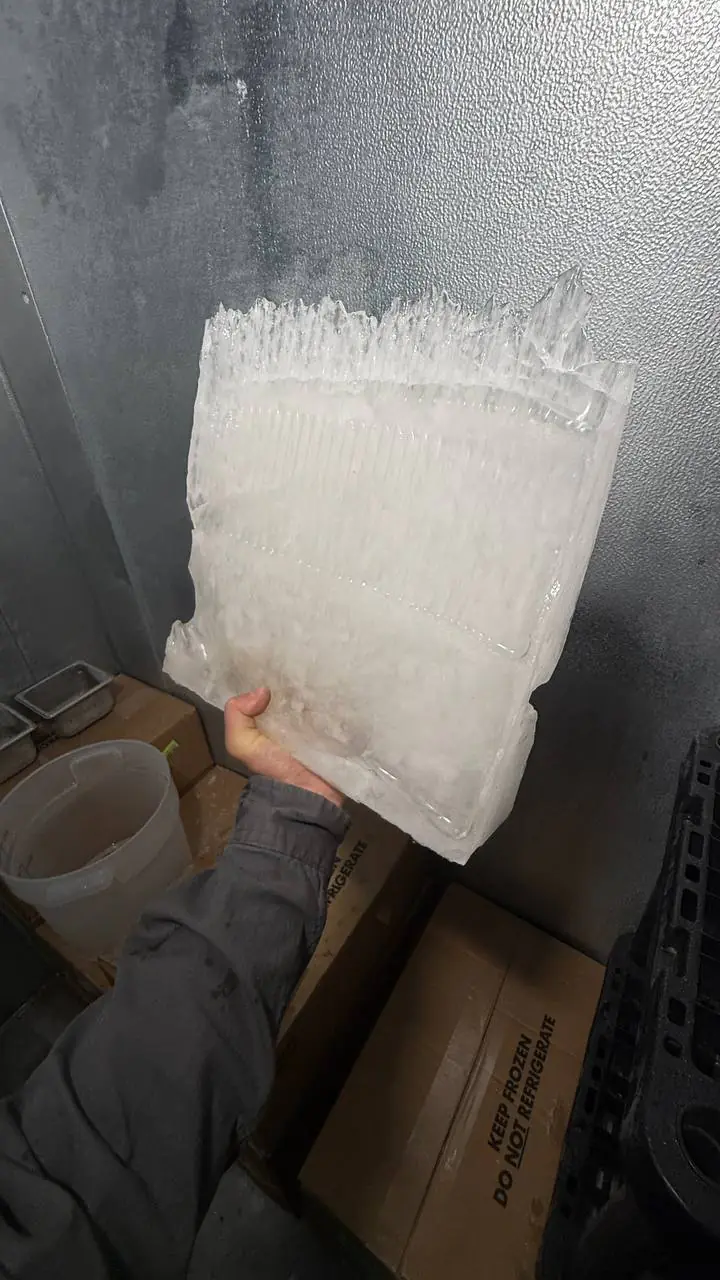
Low-Temp Work Inside Your Commercial “Cold Side”
In commercial operations, low-temp downtime is measured in thaw risk. We keep work measurement-first: compressor and condenser interaction, evaporator loading, defrost scheduling, and door or anti-sweat behavior. This page is scoped to walk-in freezers and low-temp storage—not a non-low-temp rewrite.
Many sites pair low-temp boxes with other cold equipment. When the freezer is the priority, we focus on patterns that rarely match warmer walk-ins: floor ice after defrost, coil pack ice that returns quickly, drain restrictions that freeze back, and symptoms that look like charge issues until defrost and airflow are proven. For cross-equipment context, browse the cold-side FAQ answers.
If you also operate walk-ins that are not low-temp, keep failure language separate: those setpoints and defrost consequences are not interchangeable with freezer behavior. Tell us what’s happening: ice on the floor, frost on product, short cycling, or a box that cannot recover after defrost, so we match diagnostics to low-temp operation.
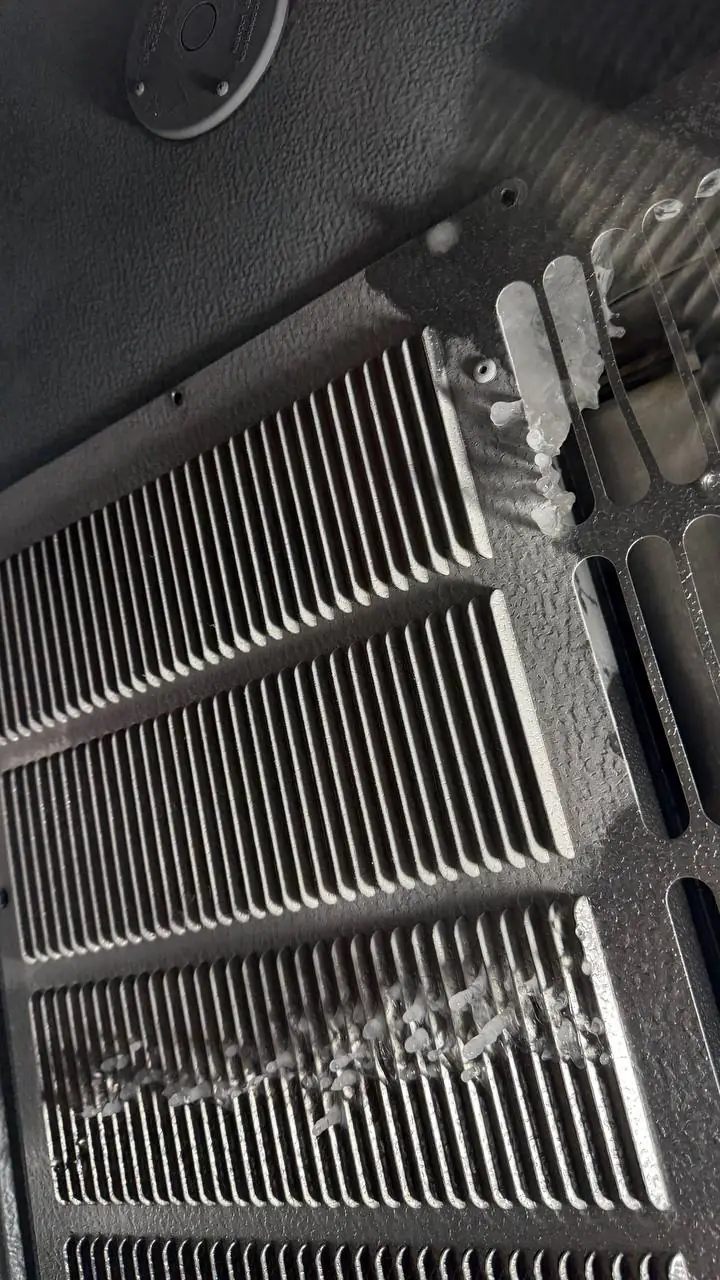
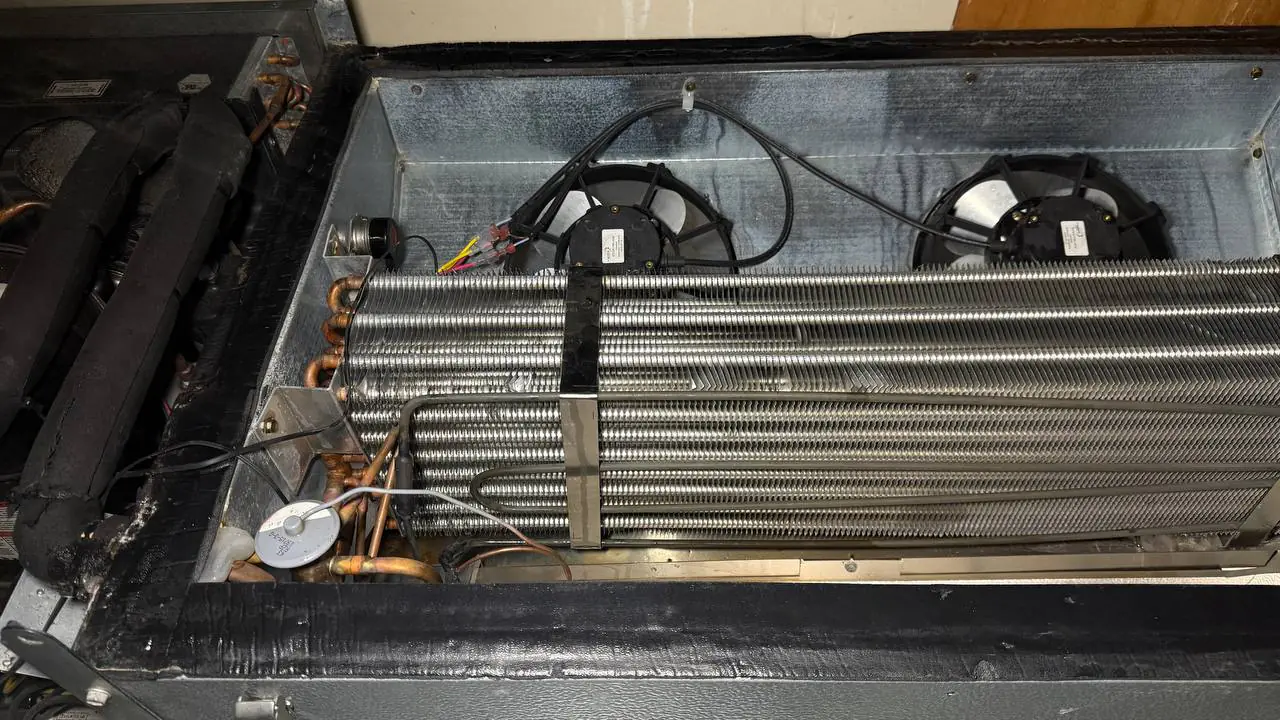
Rapid Recovery: Measurement-First Diagnostics for Low-Temp Boxes
When a low-temp box floats temperature, the clock is running on product setpoint. Our walk-in freezer repair in Bellevue model starts with measurement for commercial kitchens and distribution points: confirm the box is safe, determine whether the fault is electrical, control, defrost, airflow, or refrigerant-side behavior, then execute a repair plan that protects product without condemning parts on misleading symptoms.
Minimizing Downtime Through Technical Precision
We work the system’s sequence of operation end-to-end for low-temp boxes: what should be energized, when defrost should initiate and terminate, how condensate should leave, and how the coil should reload after defrost-especially when humid air intrusion, partial defrost, or drain freeze-back is part of the pattern.
Many freezer failures can advance from dispatch to a verified repair path within the same business day when parts patterns match what we see in the field. For policy-style questions while you schedule, visit our FAQ page, then send alarm codes, photos of ice patterns, and recent service history with the call.
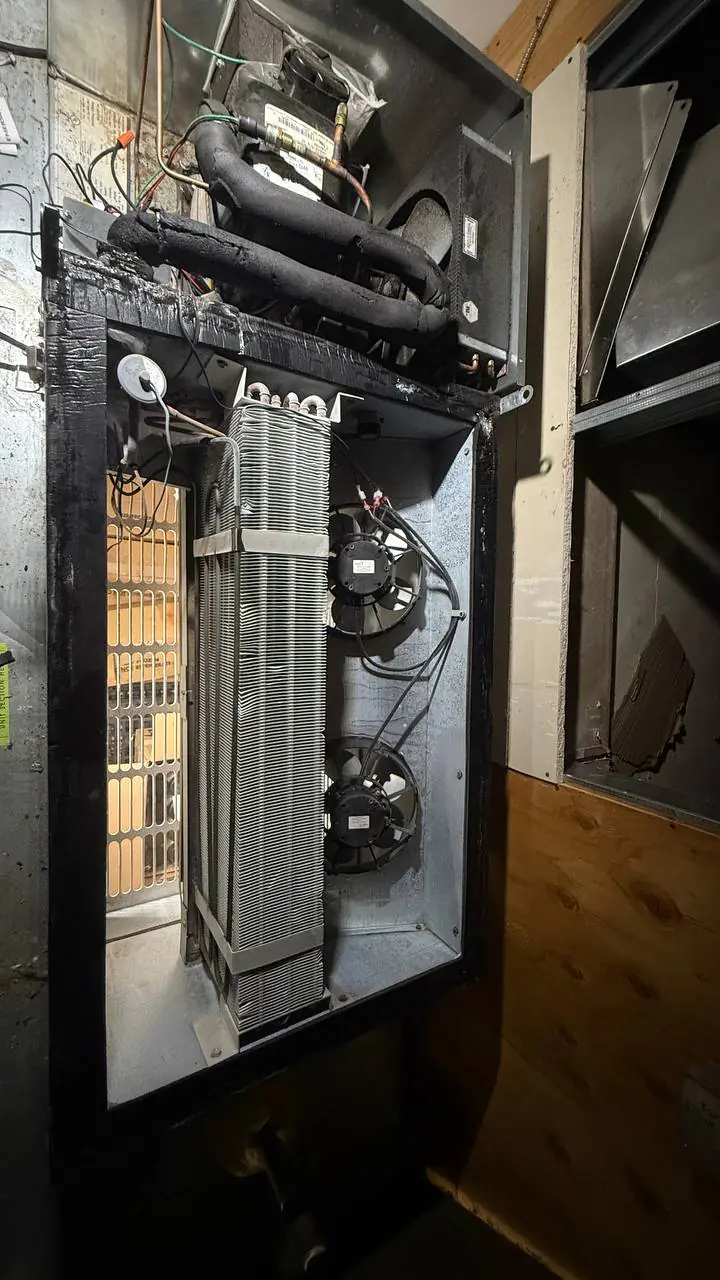
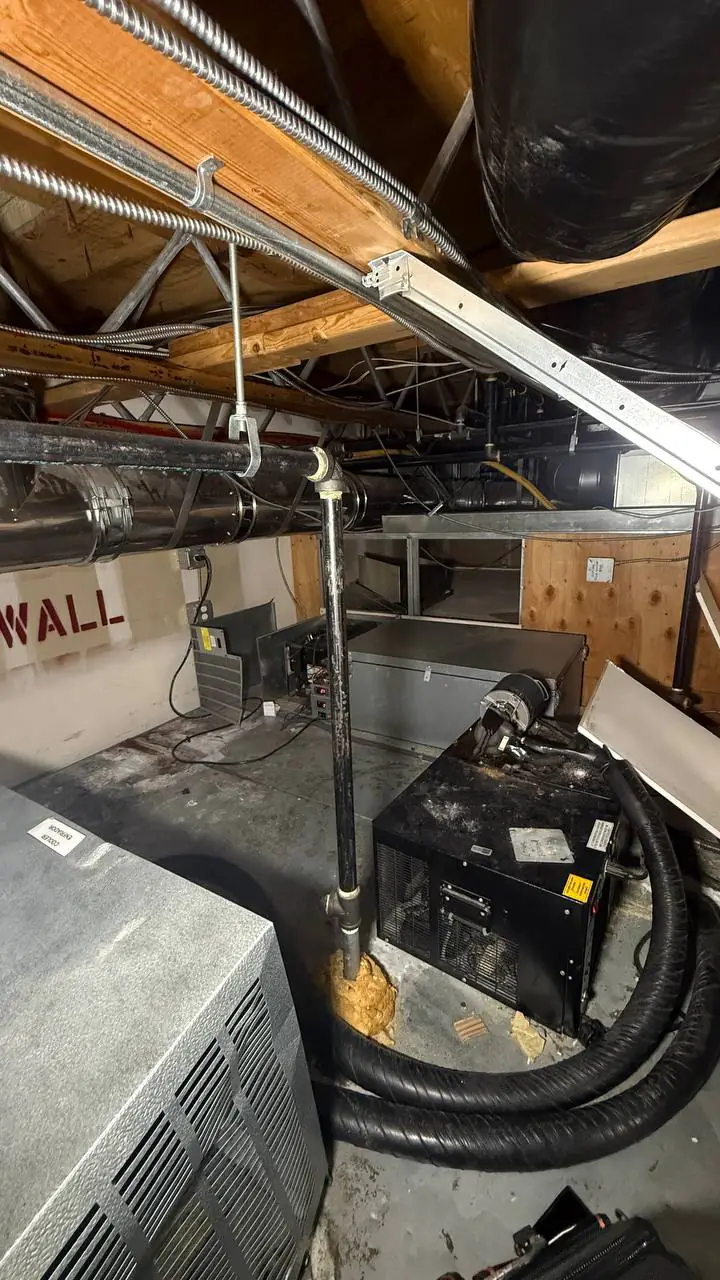
Why Choose A/C Dr. Naz for Low-Temp Commercial Service?
Selecting a low-temp technician is choosing between disciplined diagnostics and repeat callbacks. We bring EPA-minded refrigerant handling and field sequencing that respects thaw risk: ice returns fast when termination, drains, or door integrity are wrong. Our priority is stabilize the box first, then efficiency.
EPA certification and low-temp field sequencing
We hold EPA Section 608 Universal Certification, aligned with compliant refrigerant handling on commercial equipment. Puget Sound humidity matters for low-temp boxes because infiltration and defrost faults show up as frost and water faster than in dry climates-especially around rails, thresholds, and drains.
Precision Diagnostics Over Temporary Fixes
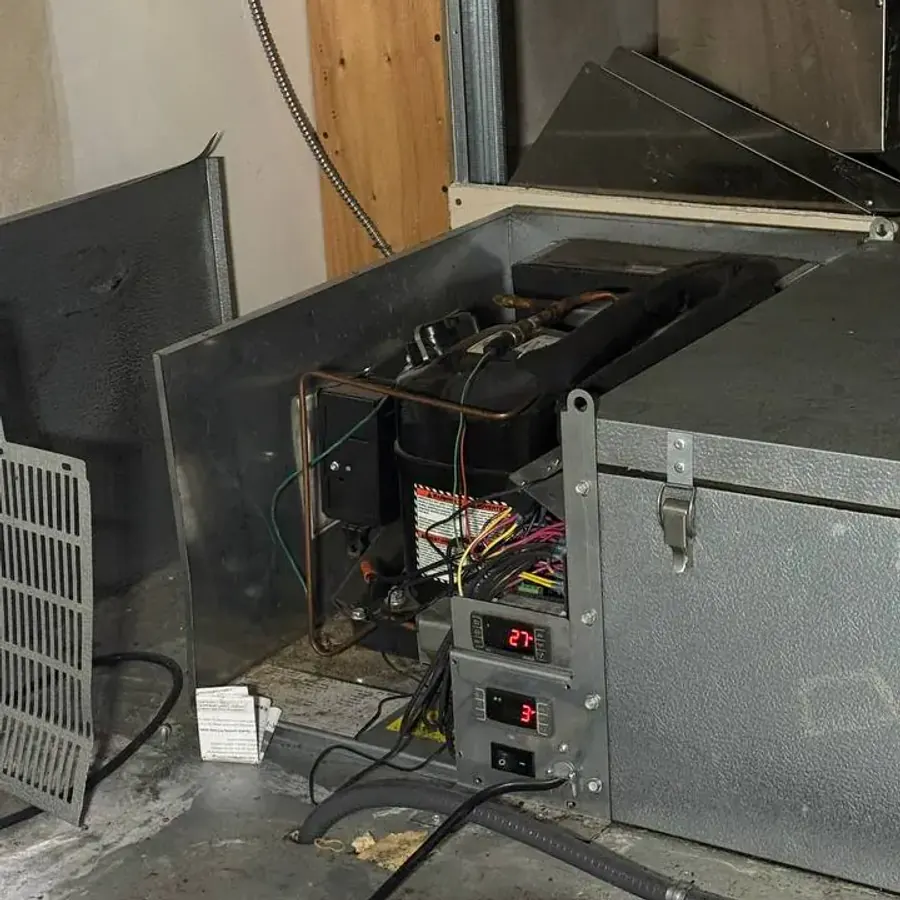
We do not guess with product on the line. We verify performance with gauges and electrical proofs suited to low-temp commercial boxes, then tie readings back to real freezer symptoms-ice slabs, warming racks, noisy fans, or defrost schedules that never feel finished. Work is guided by our professional standards.
Bellevue Walk-In Freezer Service Coverage
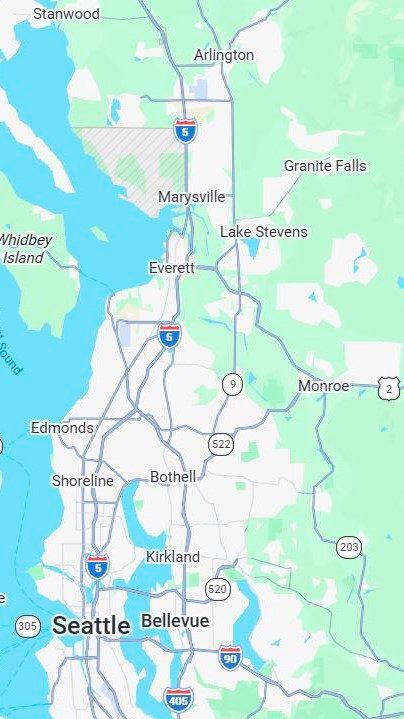
We coordinate walk-in freezer repair Bellevue routes for corporate cafeterias, grocers, and hospitality clusters where low-temp faults need disciplined sequencing – not parts roulette. Share alarm codes and photos of frost patterns so we can match diagnostics to real freezer behavior.
Corridors we routinely serve
Think in corridors, not gimmick geography:
- Downtown / office towers: Corporate kitchens and catering support with tight frozen-holding windows.
- Crossroads retail cold: Grocery and specialty markets where door cycles stack load on low-temp coils.
- I-405 corridor: Logistics-adjacent kitchens where arrival windows and inventory protection drive dispatch priority.
Other low-temp service areas
Browse the Greater Puget Sound freezer repair hub for the regional overview. Nearby city pages: Marysville, Redmond, Normandy Park, Seattle, Everett. Medium-temp boxes: walk-in cooler repair.
Related hubs and resources:
- Cold-side parent program
- Medium-temp walk-in hub (separate asset class)
- Cold-side FAQ category
- Contact us
- About us
- FAQ index
- Professional standards
Frequently Asked Questions: Low-Temp Failures
How fast can low-temp repairs be completed?
Many walk-in freezer repair Bellevue calls are diagnosed on the first visit when capacity allows, and repairs often advance immediately when the root cause is electrical, defrost control, airflow restriction, or a stocked common component. If a part must be sourced, we clarify interim risk to coil reload and the fastest path back to stable operation.
Why does a low-temp box ice up or fail to hold temperature?
Ice-up and drift usually tie back to how defrost initiates and terminates, whether condensate can leave without freezing back, whether airflow across the coil is compromised, and whether humid air is entering around doors or failing rail heat. Pacific Northwest humidity raises the stakes. We separate mechanical refrigeration faults from controls faults so you do not replace the wrong layer.
How is low-temp repair different from medium-temp storage?
Low-temp boxes operate with less coil temperature margin and heavier defrost consequences than medium-temp storage. Symptom patterns like floor ice after defrost, repeat evaporator icing, and rail sweating issues are interpreted differently—and fixes are not always interchangeable. Route non-low-temp storage separately when the asset is not a freezer box.
Are you certified for commercial freezer refrigeration work?
Yes. Work is performed under EPA Section 608 Universal requirements for compliant refrigerant handling on commercial equipment, paired with field diagnostics and sequence-of-operation verification suited to low-temp commercial boxes-not residential uprights.
Emergency Inventory Protection
If you need walk-in freezer repair in Bellevue for a box that is drifting, icing heavily, or alarming on temperature, do not gamble with thaw risk. Call (425) 535-8990 or use contact to schedule so we can stabilize frozen holding and document what failed.
HVAC/R Certified | Locally Owned | Professional Diagnostics