
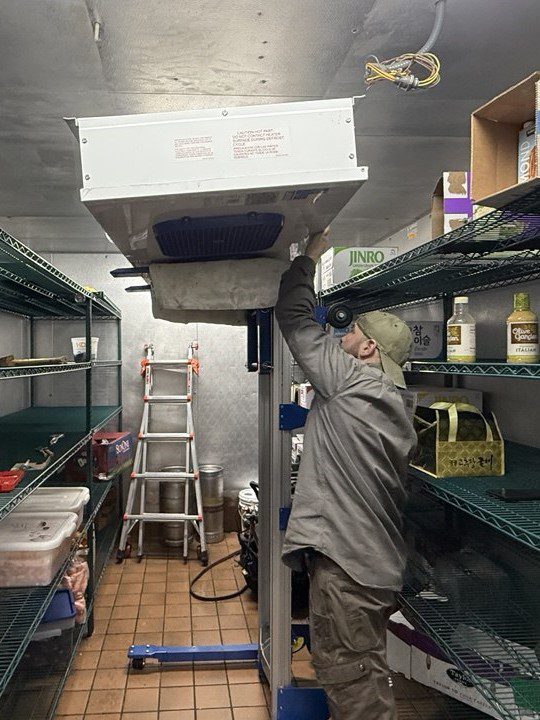
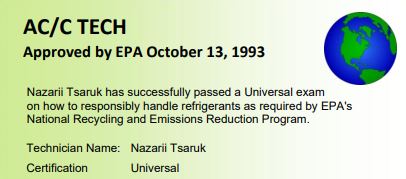
Federally Certified HVACR Expertise
EPA Universal Certified. This is the highest level of certification provided under the EPA’s National Recycling and Emissions Reduction Program. It authorizes A/C Dr. Naz to handle refrigerants for all types of equipment, from small residential ACs to the most complex industrial refrigeration systems.







From Diagnosis to Recovery: Understanding the Mechanics of Your Cool
A medium-temp walk-in is a sealed loop plus controls: compressor, condenser coil, metering device (TXV), evaporator coil, fans, and defrost. This page is the parts deep-dive—what fails, what we measure, what we repair or replace. For full walk-in triage and city coverage, use our walk-in cooler repair hub. Low-temp boxes go to walk-in freezer repair.
Understanding the refrigeration cycle—and which component failed—is the first step to a measured repair instead of parts roulette.
For symptom checklists before the visit, see commercial refrigeration troubleshooting. Below: how leaks, evaporator and condenser coils, defrost hardware, and fan motors fail.
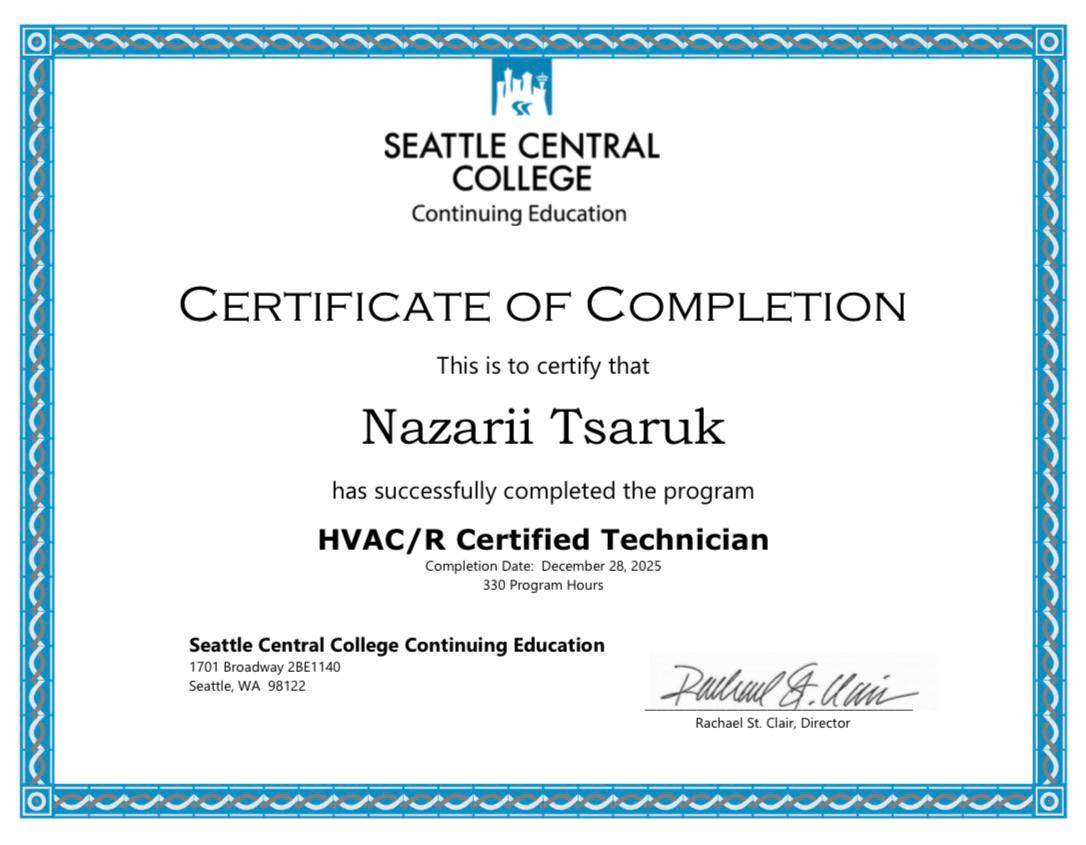
Federally Certified HVACR Expertise
HVACR certification is a professional credential that demonstrates an individual has completed formal training and met industry standards in heating, ventilation, air conditioning, and refrigeration systems.
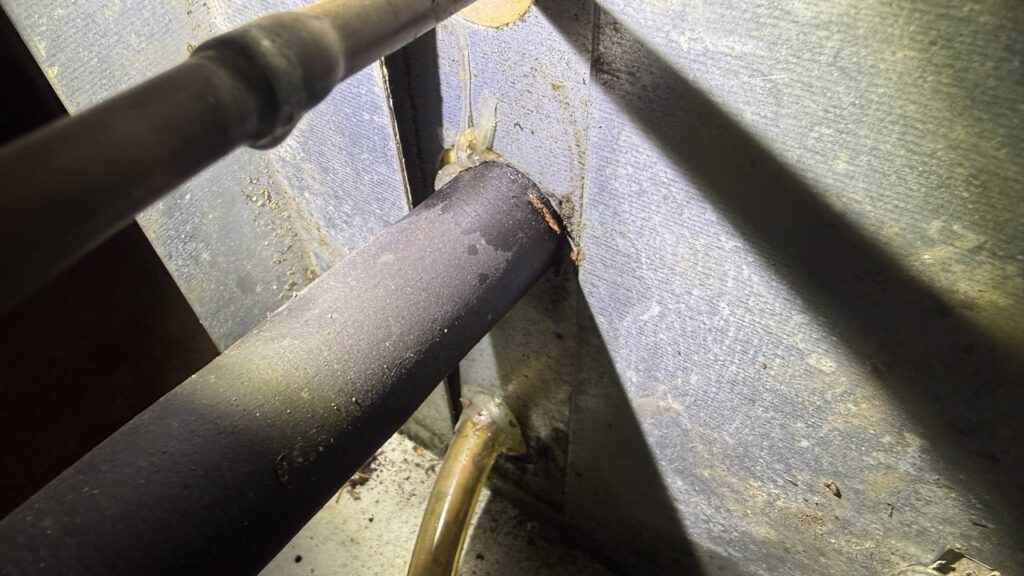
Refrigerant Gas Leak Repair
A walk-in cooler does not “consume” refrigerant. Low charge means a refrigerant leak. Running low drives high superheat, overworks the compressor, and can end in compressor failure.
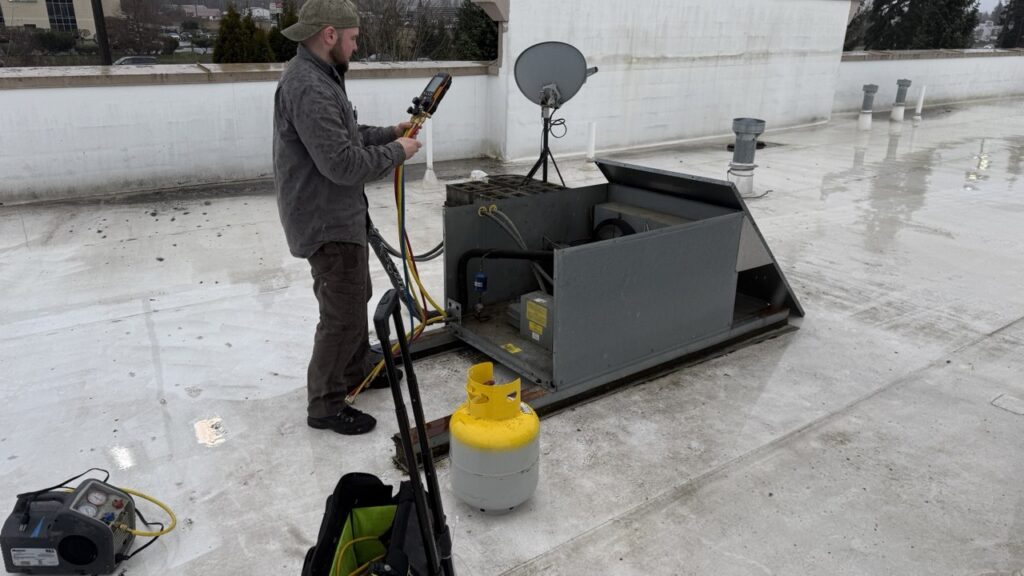
As an EPA Section 608 Universal technician, leak repair follows federal stationary refrigeration rules: locate, braze, evacuate, then recharge—not “top off and leave.”
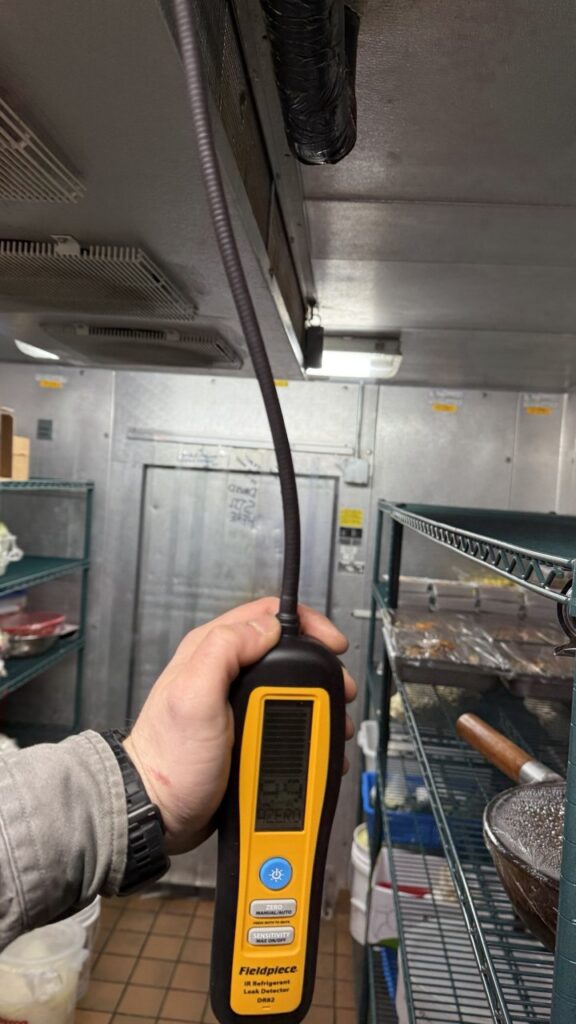
- Electronic and Ultrasonic Detection: We utilize highly sensitive electronic “sniffers” and ultrasonic detectors to pinpoint micro-leaks in the copper lines, brazed joints, and coils.
- Nitrogen Pressure Testing: For hard-to-find leaks, we recover the remaining refrigerant and pressurize the system with dry nitrogen. We then apply specialized bubble solutions to suspected areas to confirm the exact location of the breach.
- Brazing and System Evacuation: Once located, the leak is permanently sealed via oxy-acetylene brazing. The system is then evacuated using a vacuum pump to remove any non-condensable gases and moisture—pulling it down to at least 500 microns before recharging.
Industry Insight: Properly maintaining your system’s refrigerant charge is not just about cooling; it’s a federal requirement. Learn more about the EPA’s stationary refrigeration leak repair regulations.
Evaporator Coil Repair & Maintenance
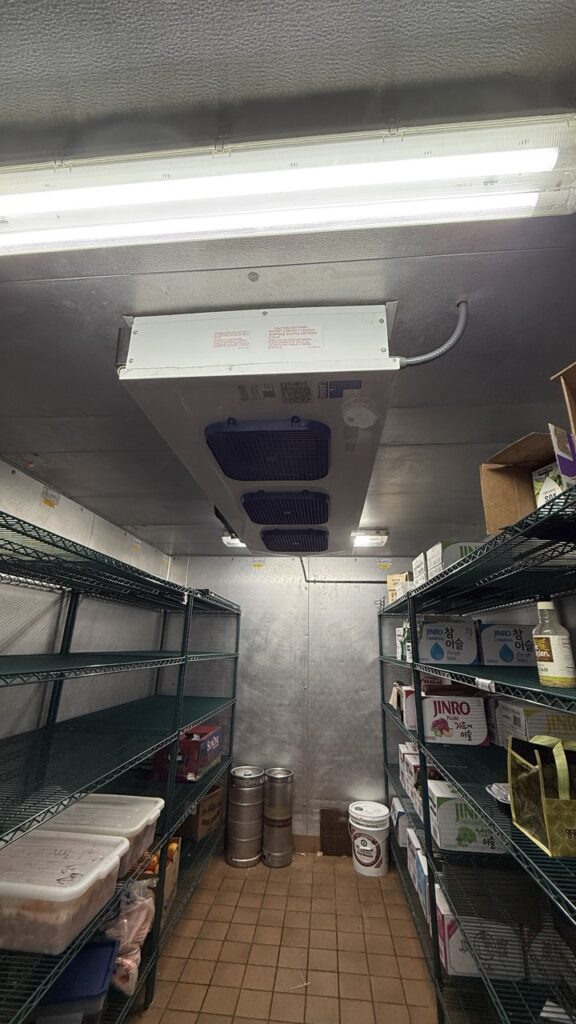
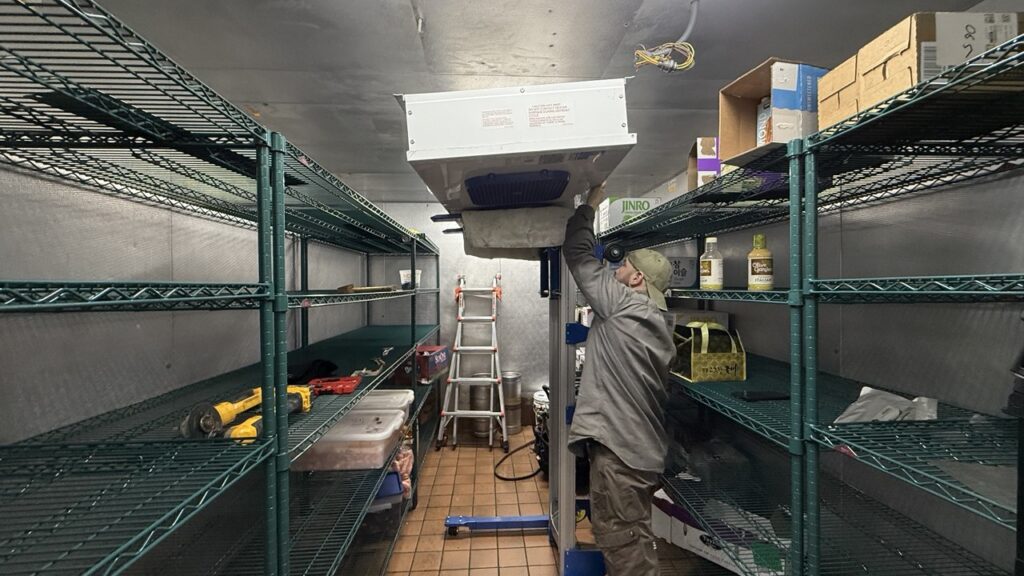
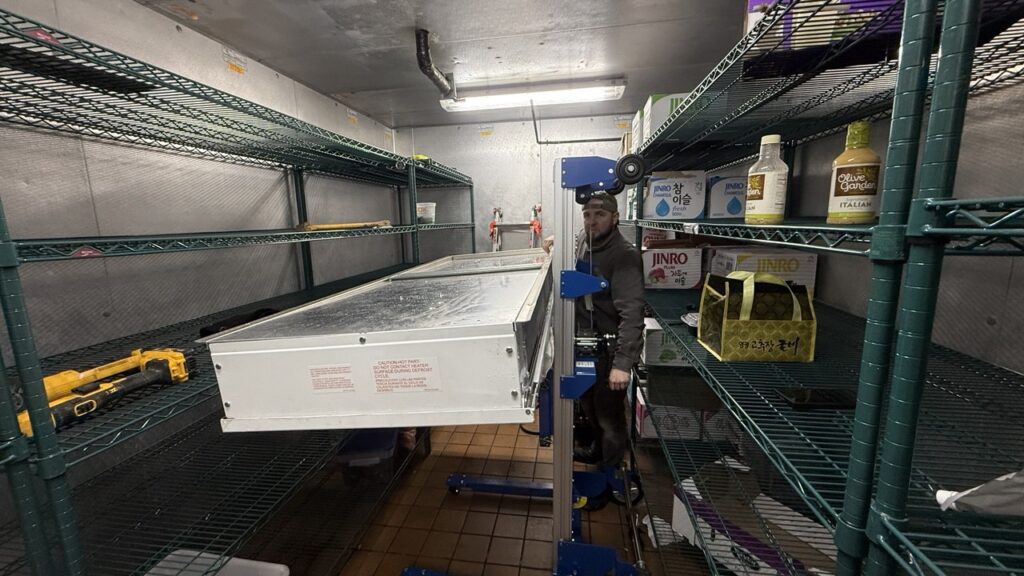
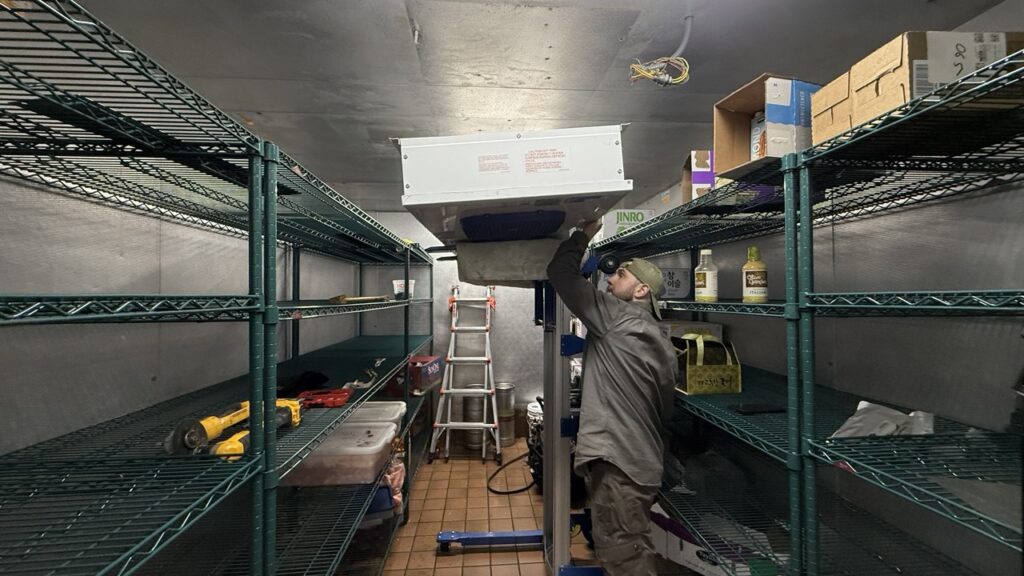
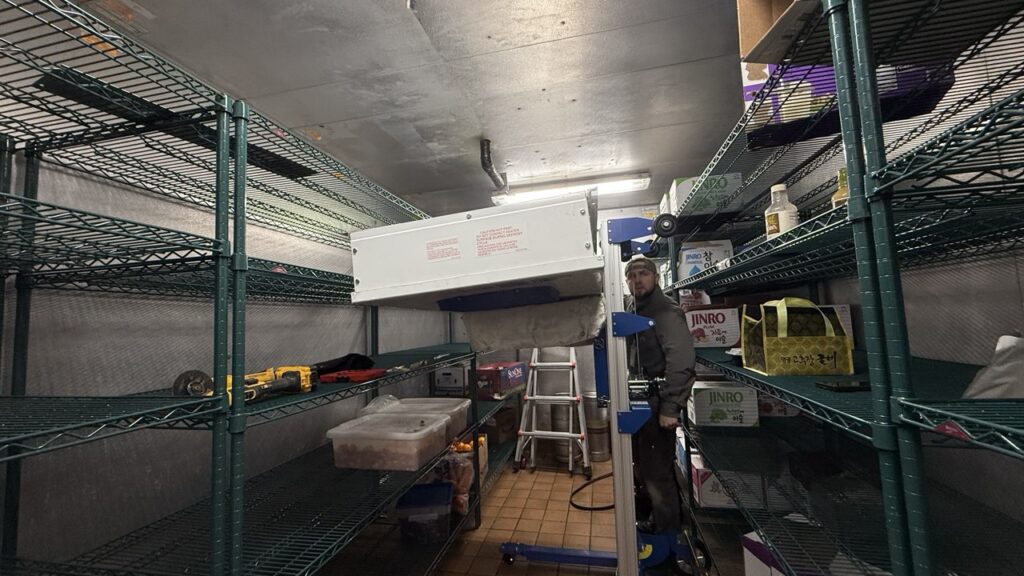
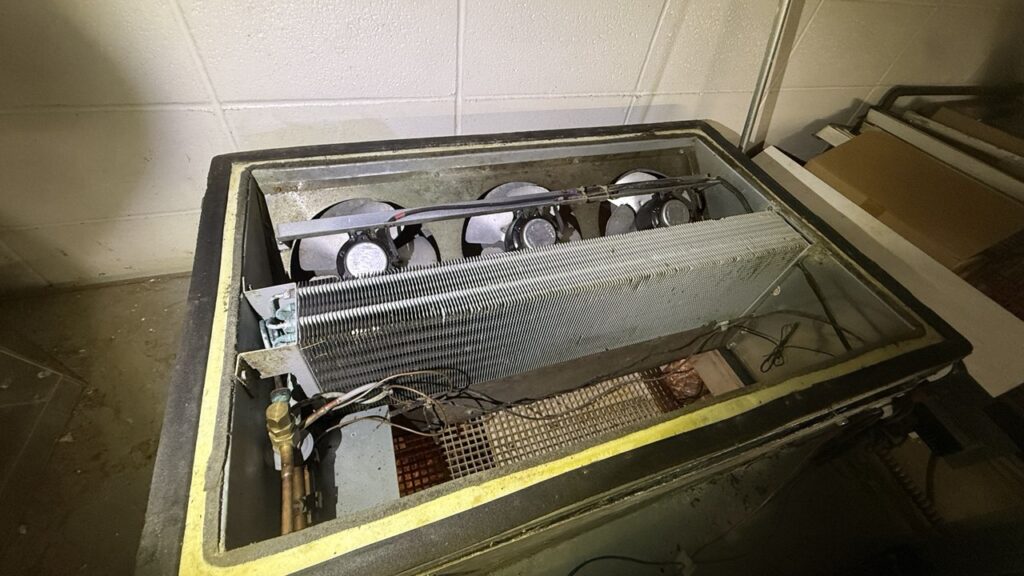
The evaporator coil sits inside the box. Liquid refrigerant meters through the TXV, drops pressure, and absorbs heat as it boils to vapor. We verify TXV health with superheat before condemning the compressor.
Common Evaporator Issues We Repair:
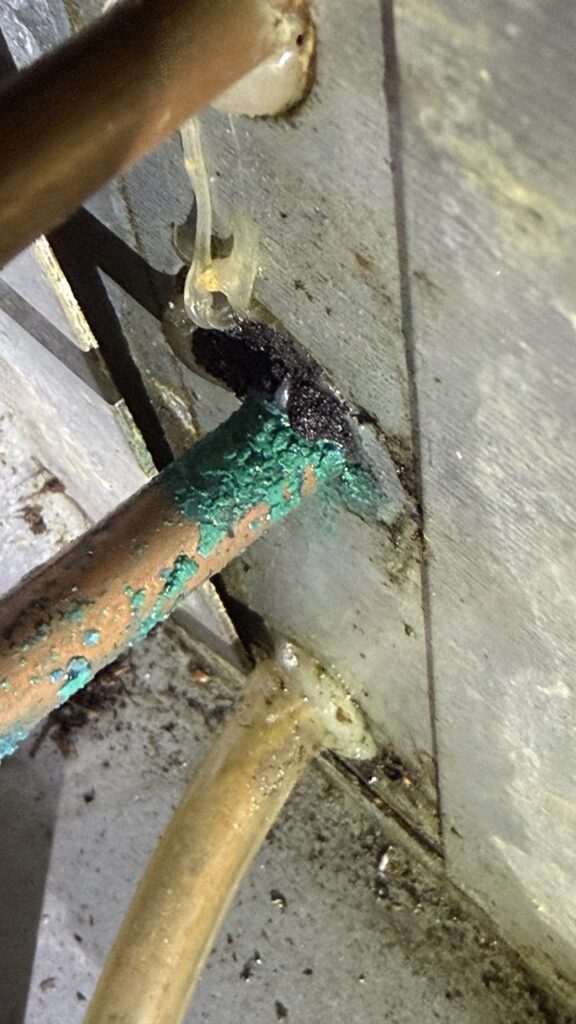
- Pitted or Corroded Tubes: Acidic environments (like those in restaurants storing vinegars or citrus) can eat away at the copper tubing, causing formicary corrosion and refrigerant leaks.
- Airflow Restrictions: Dirt buildup acts as an insulator, preventing heat transfer and causing the coil to freeze over.
- TXV Failure: If the expansion valve fails to meter the refrigerant accurately, the evaporator can starve (causing warm box temperatures) or flood (risking liquid slugging at the compressor). We accurately test superheat to determine TXV health.
Condenser Coil Repair
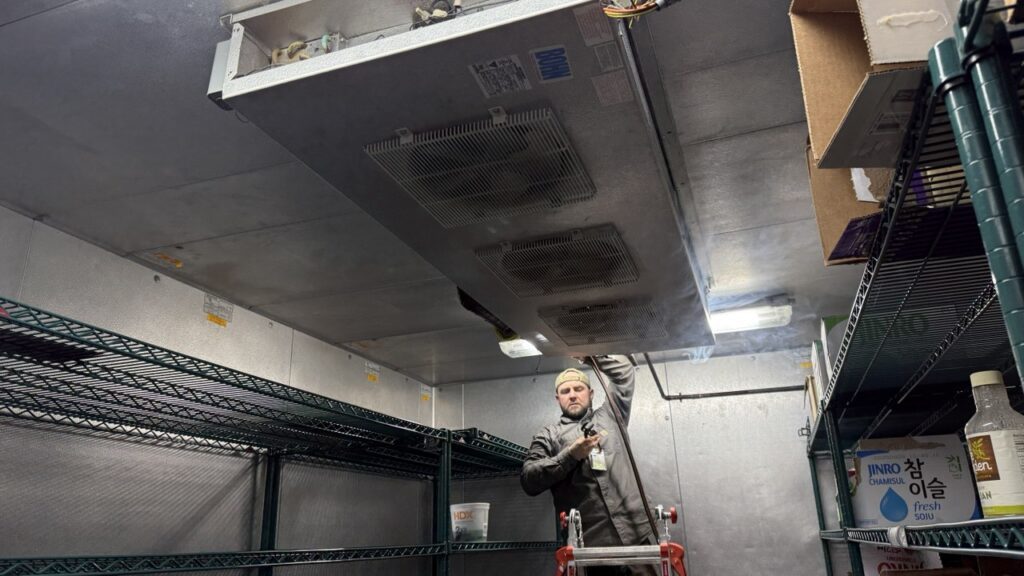
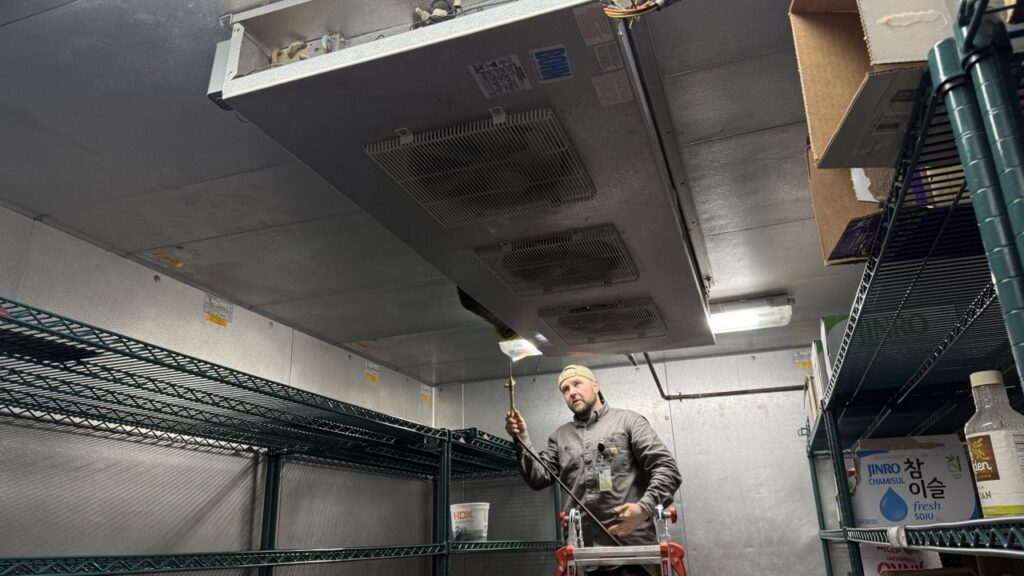
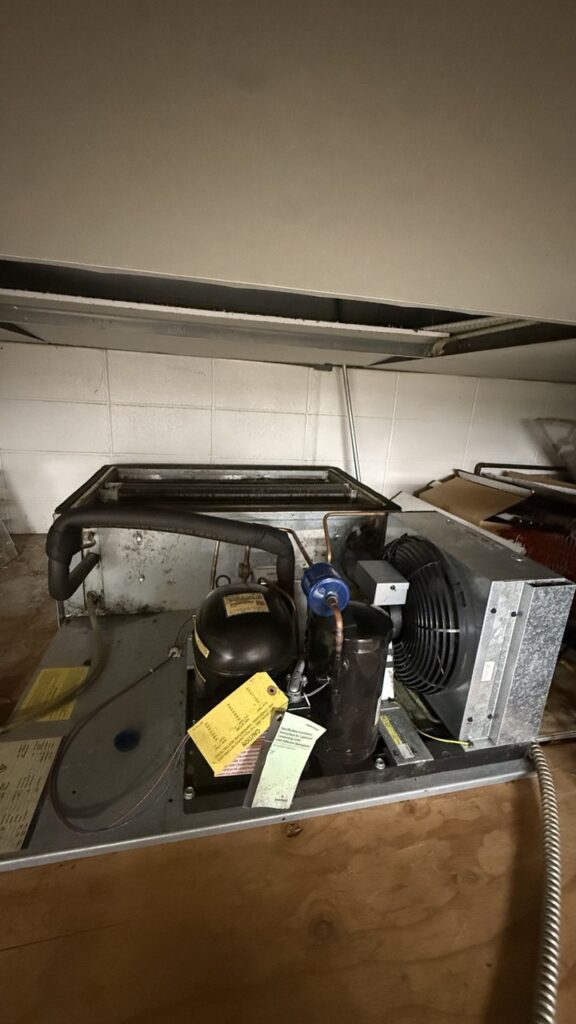
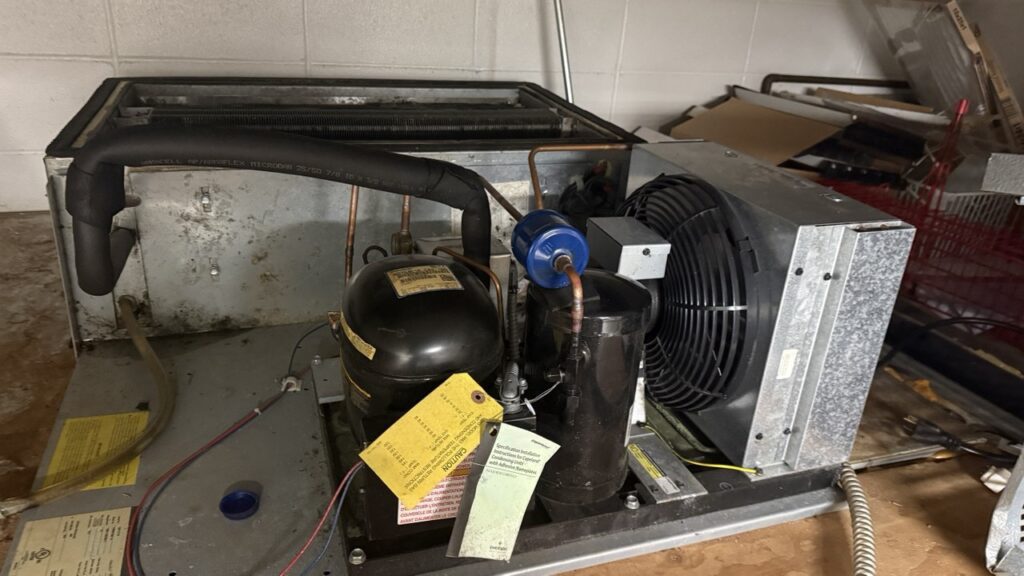
The condenser coil rejects heat outdoors or in a mechanical room. A fouled condenser coil raises head pressure and compressor amp draw, burns energy, and can trip thermal overload.
If the box runs nonstop and still won’t pull down, start with walk-in cooler not cooling checks, then we meter the condenser fan and coil.
Our Condenser Repair Services Include:
- Deep Chemical Cleaning: Removing grease, dust, and debris from the aluminum fins without damaging the delicate metal.
- Fin Straightening: Using specialized combs to repair bent fins and restore optimal cubic feet per minute (CFM) airflow.
- Microchannel Repair: Servicing modern, high-efficiency microchannel condensers that require specialized knowledge to weld and repair compared to traditional tube-and-fin models.
Energy Tip: A clean, well-functioning condenser is the easiest way to keep operating costs low. The Department of Energy offers strict guidelines on commercial refrigeration equipment efficiency that emphasize the importance of heat rejection components.
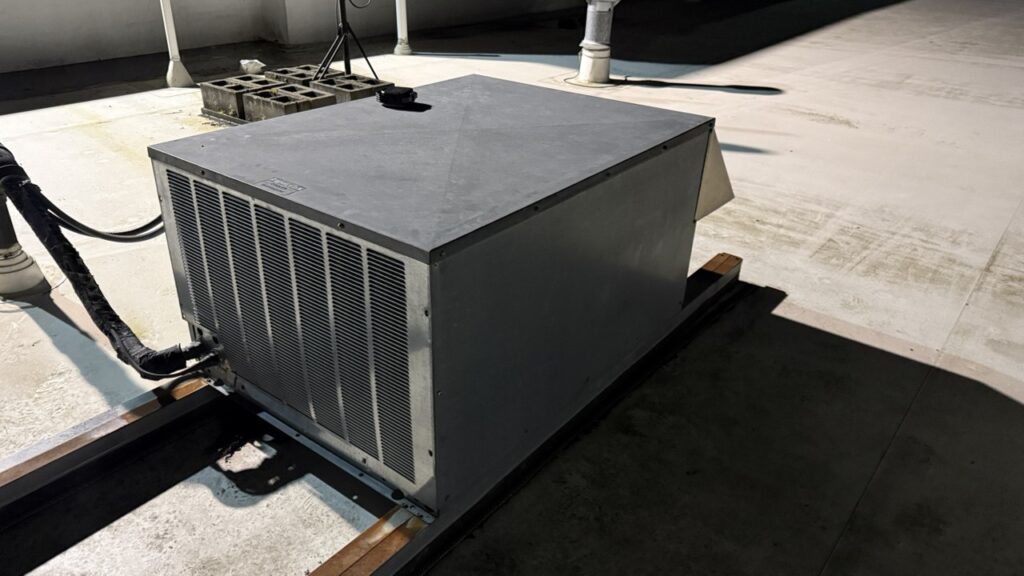
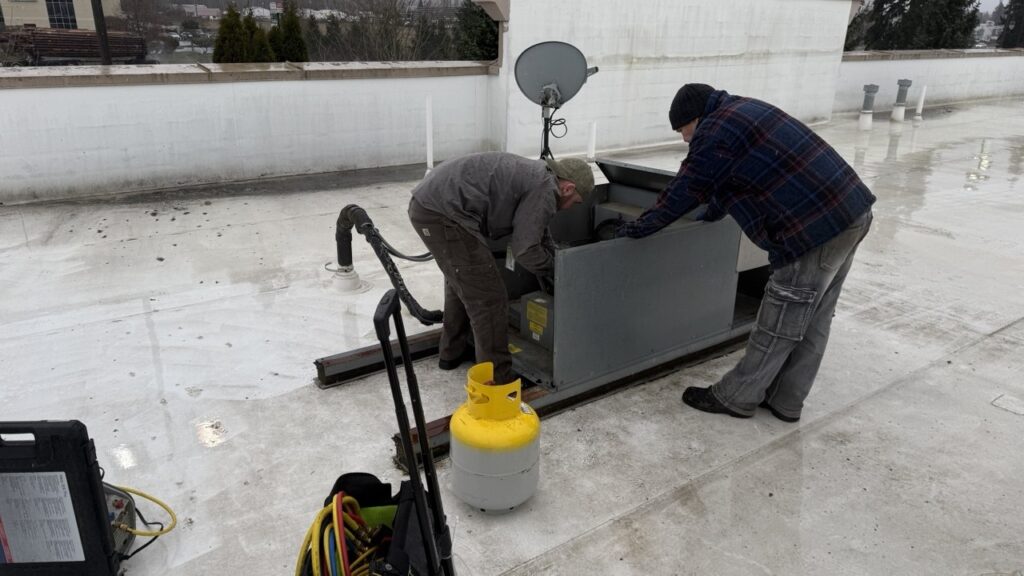
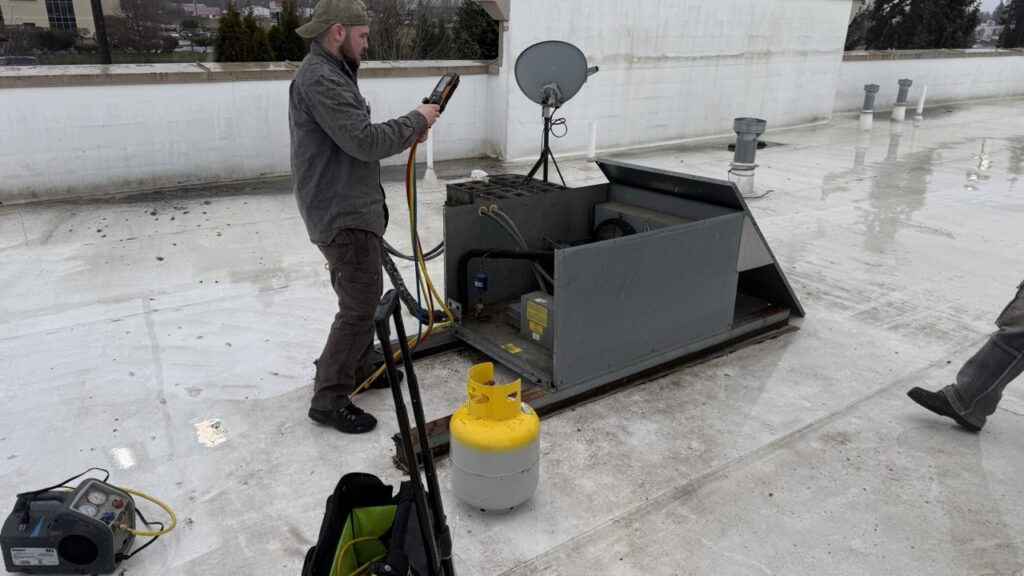
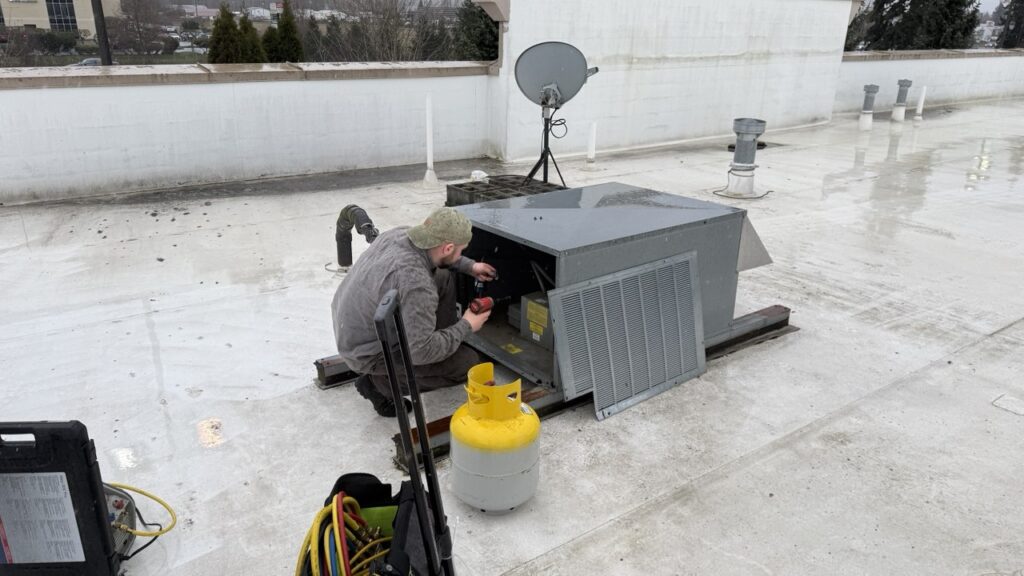
Defrost System Troubleshooting and Repair
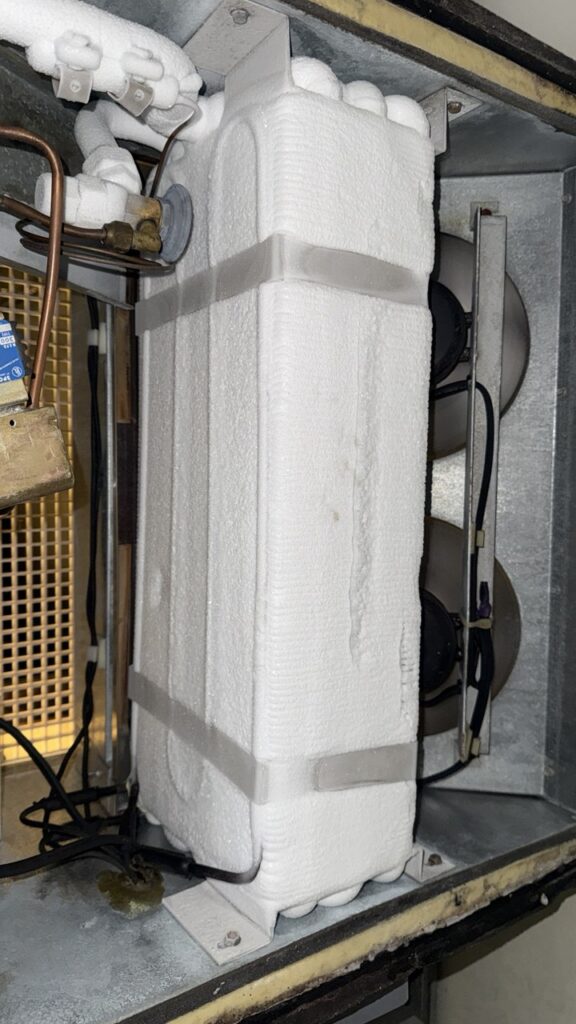
Medium-temp coolers still frost the evaporator coil when humid kitchen air enters. Failed defrost turns that coil into an ice block and kills airflow. (Heavier low-temp defrost loads belong on the freezer hub—not as co-primary here.) Standing water or ice at the drain often ties to defrost and drain heat—see walk-in water and drain problems.
We repair all types of defrost mechanisms, including air defrost, electric resistance heating, and hot gas defrost systems.
Key Components We Service:
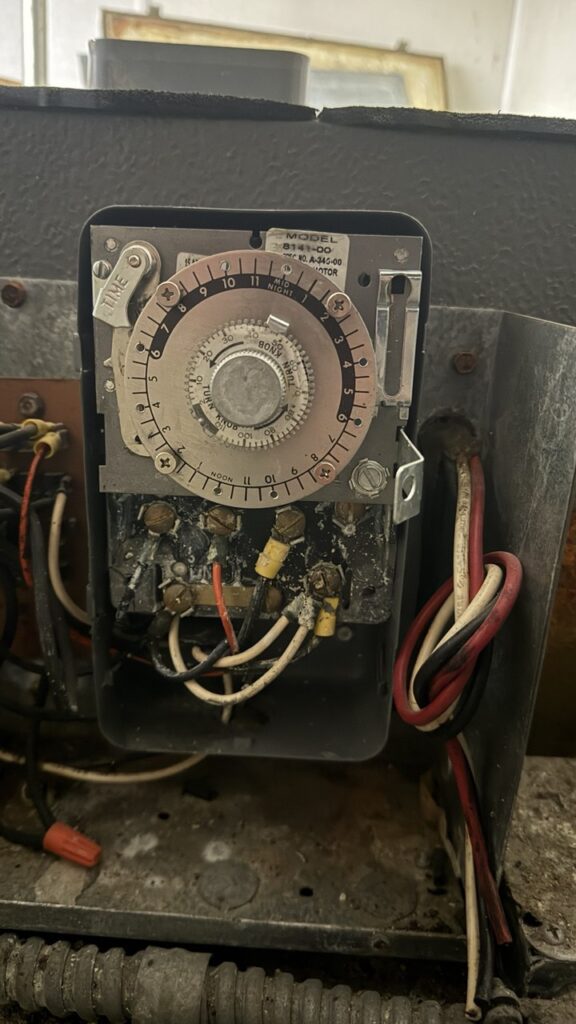
- Defrost Time Clocks & Electronic Controllers: We recalibrate or replace faulty timers that fail to initiate or terminate the defrost cycle.
- Defrost Heaters: We test continuity and amperage draw on electric heater elements woven into the evaporator coil to ensure they are activating.
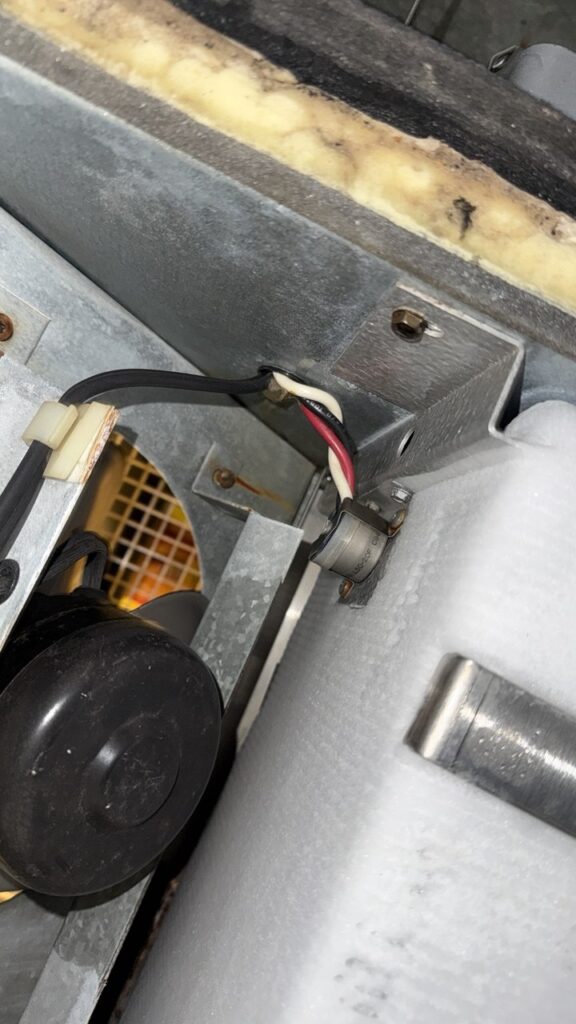
- Termination Thermostats (Klixon): We replace faulty sensors that fail to tell the system when the ice has melted, preventing the heaters from staying on too long and warming the cooler unnecessarily.
- Drain Line Heaters: Ensuring the condensate drain line is clear and heated so melted ice successfully exits the box without refreezing in the pipe.
Evaporator and Condenser Fan Replacement
Evaporator fans move cold air through the box; condenser fans push ambient air across the hot condenser coil. A failed evaporator fan or condenser fan motor collapses heat transfer on that side of the system.
Professional Fan Motor Upgrades: When replacing failed shaded-pole or Permanent Split Capacitor (PSC) fan motors, we highly recommend upgrading to Electronically Commutated Motors (ECMs).
- Why ECM? ECMs are significantly more energy-efficient and generate less waste heat. In an evaporator, any heat generated by the fan motor must be removed by the refrigeration system, so cooler-running ECM motors provide a double-sided energy saving.
- Precision Matching: We ensure the replacement motor perfectly matches the required RPM, voltage, rotation direction, and horsepower of your original equipment to maintain engineered airflow.
Efficiency Standards: Upgrading to high-efficiency motors in commercial setups is heavily backed by data. You can explore the efficiency standards for commercial food service equipment via Energy Star’s official guidelines.
Trust an Expert with Your Inventory
If the evaporator ices, the condenser can’t reject heat, or a fan motor screams, get the failed part diagnosed—leak, coil, defrost, or fan—not a handyman top-off.
More cold-side symptom guides: commercial refrigeration troubleshooting. Call (425) 535-8990.