Diagnostics for facilities, restaurants, and businesses
Commercial Refrigeration Repair in Everett, WA

Licensed & EPA-Certified HVAC/R Experts
Cold-side repair for restaurants and facilities
A/C Dr. Naz does commercial refrigeration repair in Everett for restaurant reach-ins, prep tables, and line cases when box temp drifts and inventory is at risk. Same-day diagnostics when capacity allows.
From downtown and the waterfront to Paine Field / Casino Road and campus kitchens at Community College we match the box—reach-in, prep table, or line case—then measure before we talk parts. Medium-temp boxes go to the cooler page. Ice machines go to the ice-machine page. Low-temp boxes go to the freezer page.
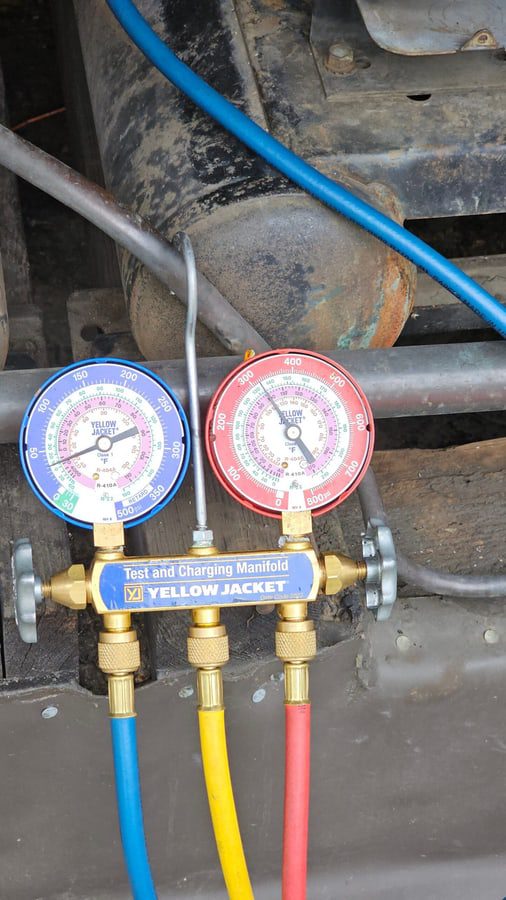




What we check on reach-ins, prep tables, and line cases
- Temperature Fluctuations: We calibrate thermostats and repair faulty sensors to keep your inventory within the safety zone, ensuring your business remains compliant with Snohomish County health codes.
- Compressor & Motor Service: If your unit is humming or failing to start, we test start components and amp draw on industrial-grade compressors before condemning them—critical for high-volume kitchens throughout the business district.
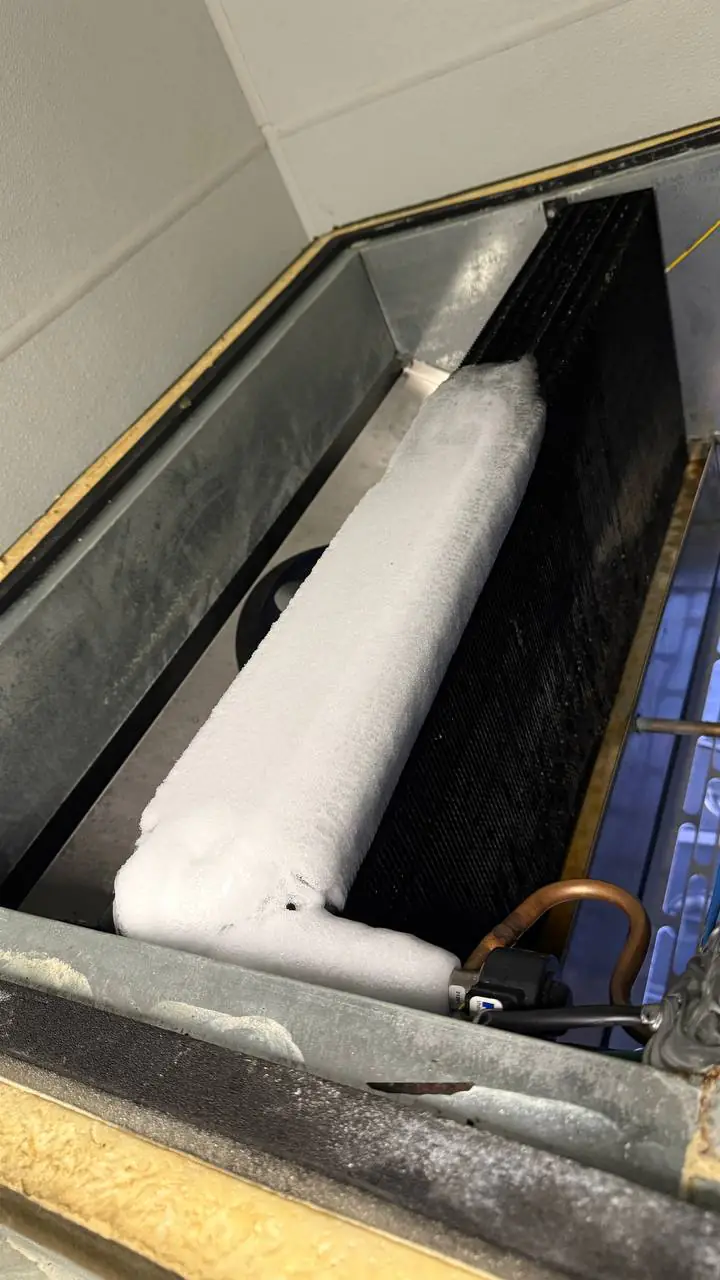
- Evaporator Coil Icing: We clear frozen coils and resolve underlying airflow or defrost timer issues to restore efficiency immediately, keeping operations running smoothly from downtown to north-end corridors.
- Door Gasket & Seal Replacement: Prevent energy waste and humidity buildup with precision-fitted seals that lock in cold air, even in the busiest retail and dining environments.
“Most reach-in and prep-table faults can be diagnosed on the same visit when capacity allows, so inventory stays in range.” —Learn more about cold-side repair protocols
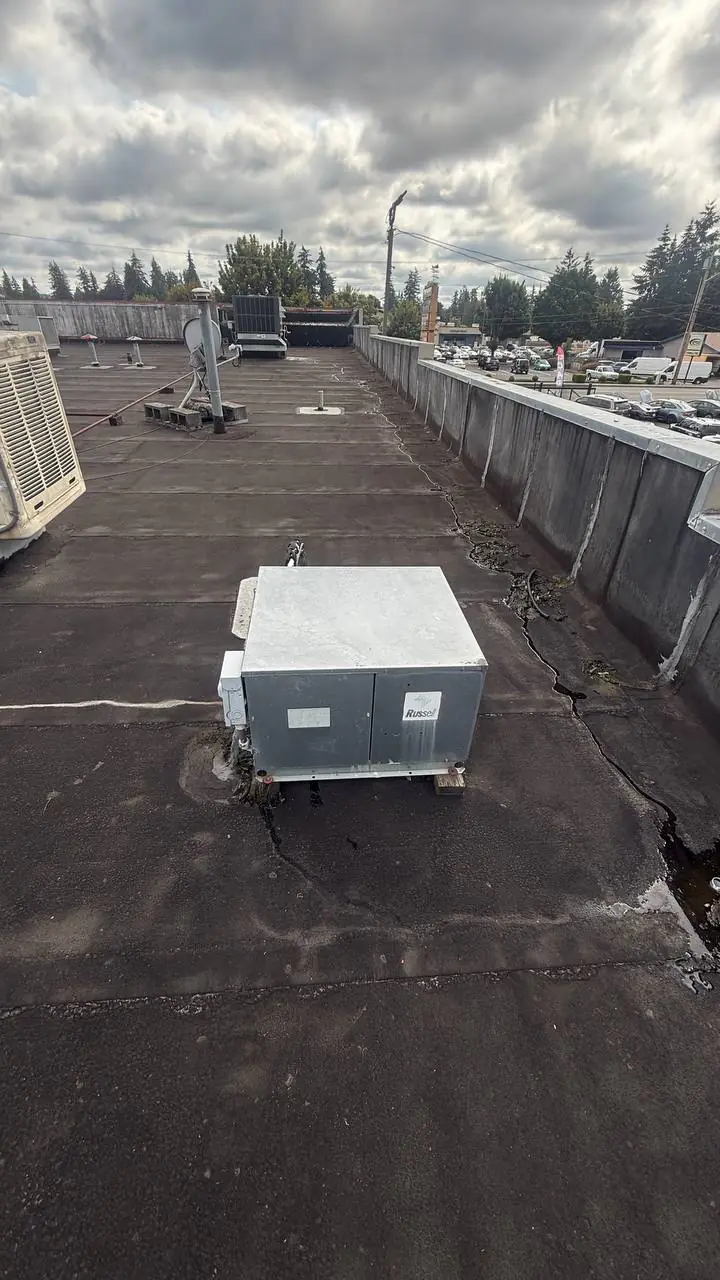
Reach-in short-cycle on a restaurant cook line
The Situation
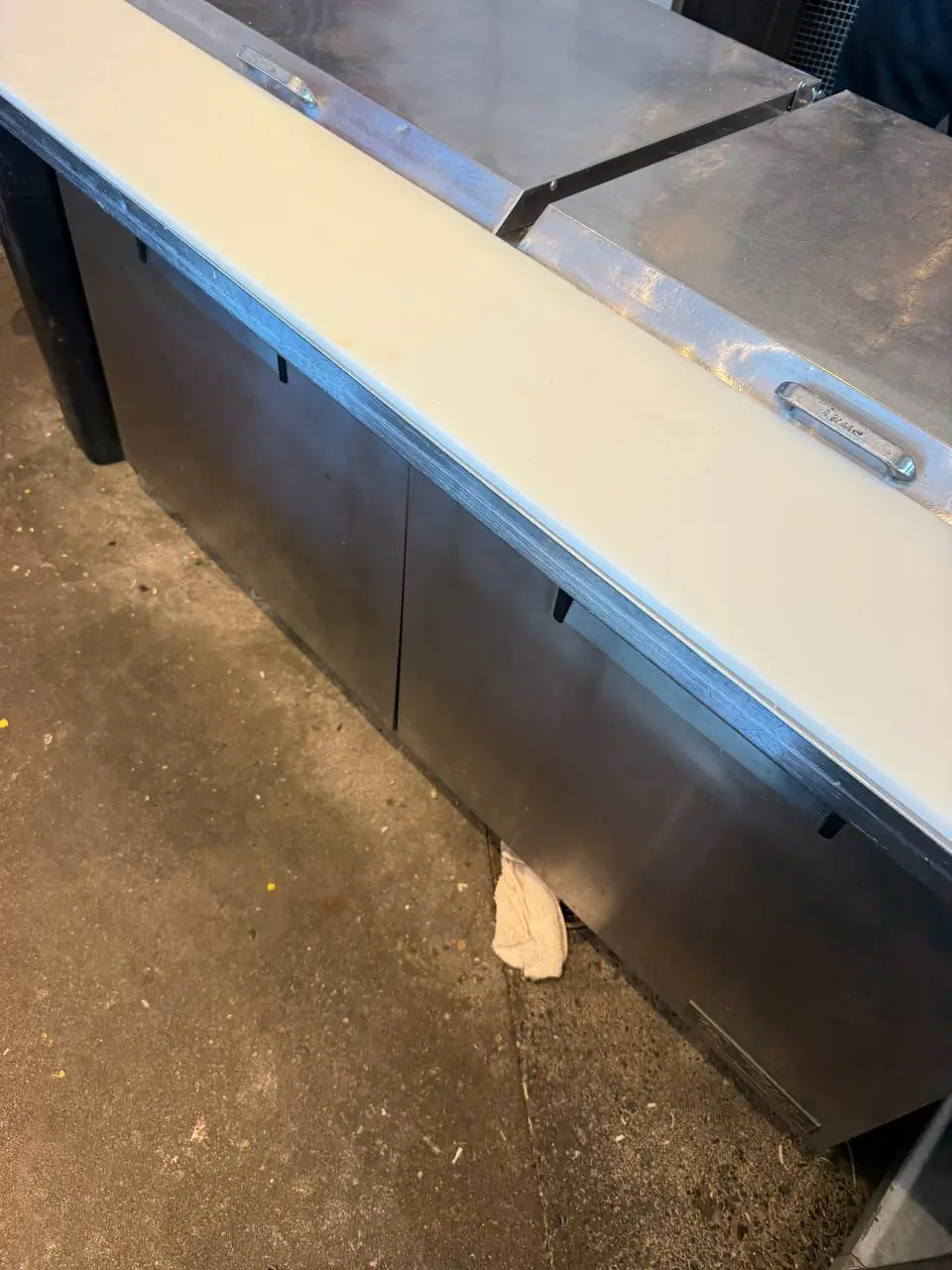
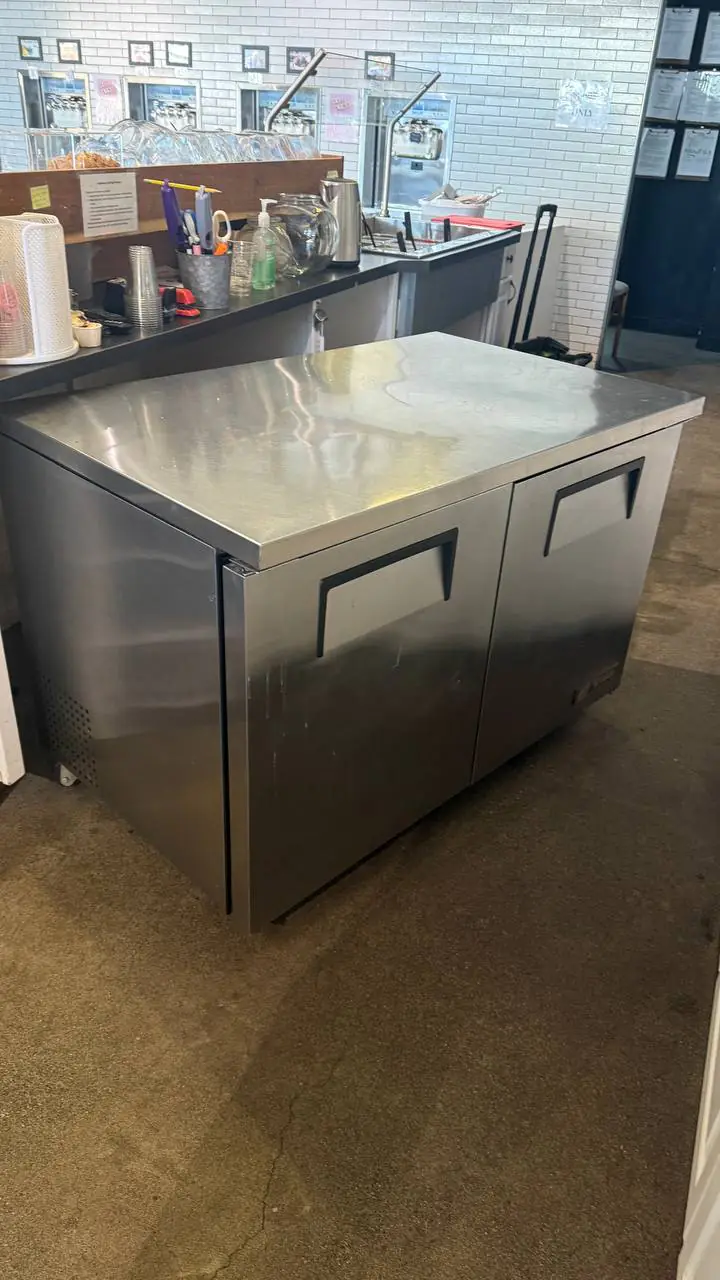
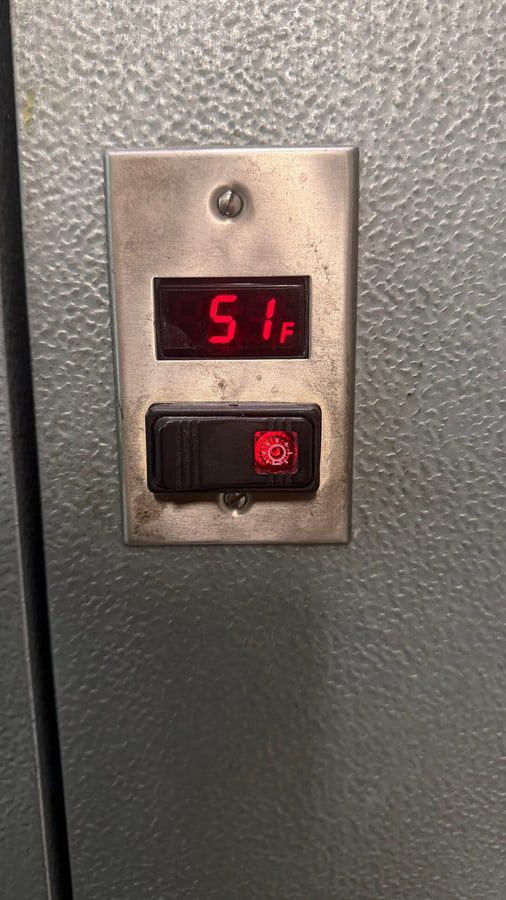
Composite example for training-style clarity (not a single verified job). A cook line called when a dual-door reach-in would not hold product temp. The case was short-cycling—on and off every few minutes—and product had climbed into the danger zone. The operator assumed the compressor had seized.
Technical Pro Tip: A primary cause of compressor failure is a neglected condenser coil. When dust, debris, and grease accumulate, the system cannot reject heat effectively. This forces the compressor to work at higher head pressures, leading to overheating and electrical failure. A consistent maintenance plan can cut repeat failures from dirty condensers and high head pressure.
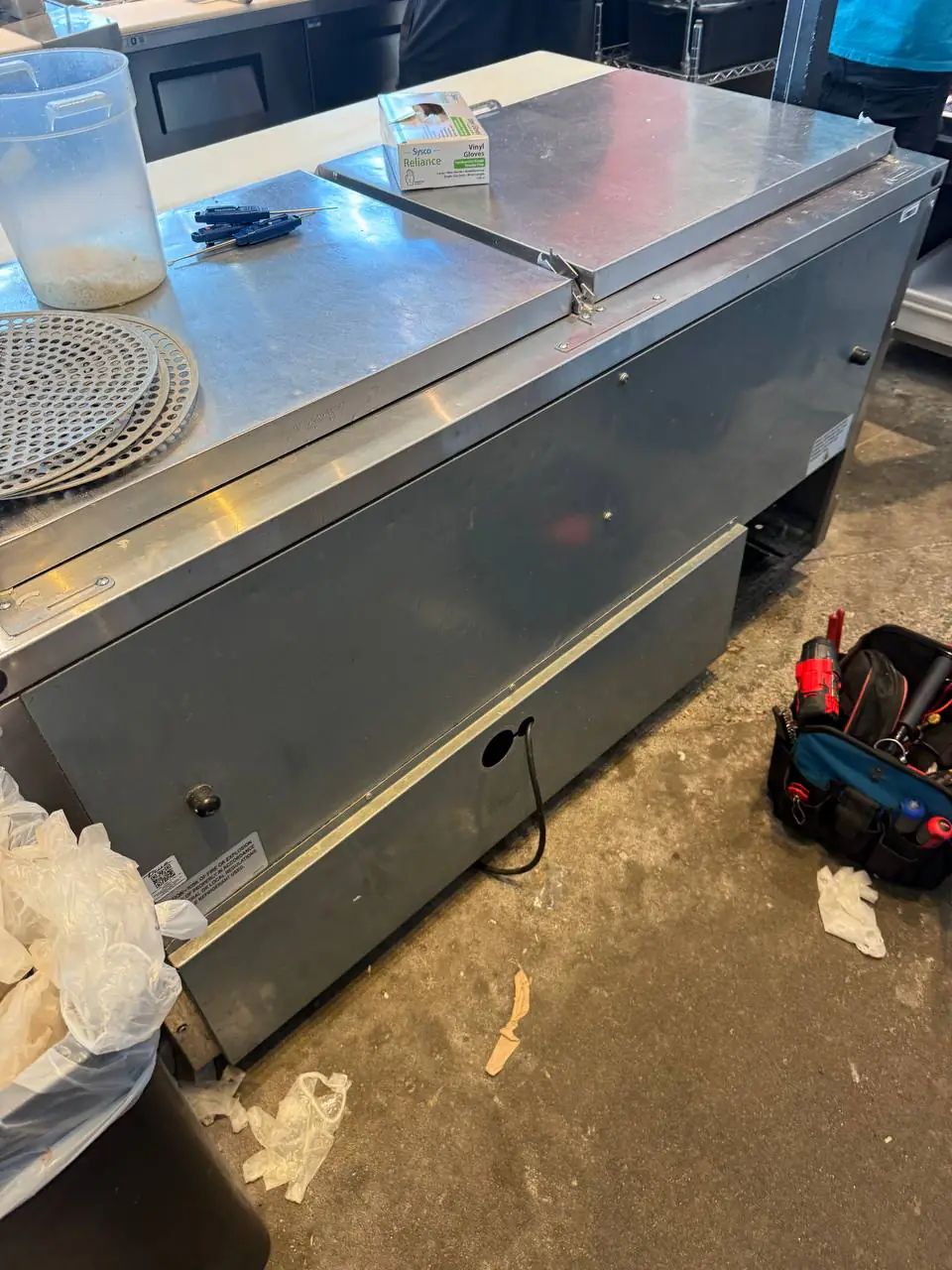
The Diagnostic Process
Our technicians arrived on-site to perform a comprehensive diagnostic focused on the mechanical and electrical health of the system’s “heart”:
- Amp Draw Testing: We measured the compressor’s current. It was spiking significantly, a clear indicator it was fighting against high head pressure.
- Capacitor & Relay Inspection: We tested the start/run capacitors to see if the “kick” required to engage the motor was failing.
- Oil Acid Test: We analyzed the refrigeration oil for signs of “burnout,” which indicates the system has been operating at excessive temperatures for an extended period.
“A compressor that won’t start isn’t always a dead motor. Often, it’s a failure of the supporting components like the start relay or a restricted filter drier. We aim to fix the root cause, not just replace parts.” —Explore our Cold Side Repair Protocols
The Solution
The diagnostic revealed a failed start capacitor and a severely restricted liquid line filter drier caused by contaminants in the refrigerant lines. Following our professional standards, we executed a full recovery plan:
- Refrigerant Recovery: We recovered the refrigerant and replaced the restricted filter drier to ensure a clean, unobstructed path for the coolant.
- Component Replacement: The bulging start capacitor was replaced with a heavy-duty OEM part designed for high-ambient temperature performance.
- System Optimization: We performed a deep-clean of the condenser coils using a non-corrosive foaming agent to restore optimal heat exchange and lower system pressure.
The Result
The compressor stabilized immediately, and the short-cycling stopped. The reach-in pulled back into range before dinner rush began. By opting for a precision repair rather than an unnecessary full system replacement, the reach-in pulled back into range before dinner service, without a condensing-unit swap. On start-circuit jobs we fix the components instead of condemning the compressor.
Whether you are operating near the waterfront, Broadway, or Paine Field / Casino Road, we stage gauges and common start parts for rapid response when capacity allows.
Why A/C Dr. Naz for cold-side work
Reach-ins and prep tables are the usual cold-side tickets here. At A/C Dr. Naz we diagnose the circuit—not a generic parts swap—then repair when the measurements say so.
We hold EPA Section 608 Universal certification for refrigerant work. Marine humidity on alley condensers is a load we measure, not a slogan.
Our Professional Standards:
We don’t just “patch” leaks—we diagnose the system’s mechanical integrity using digital manifold gauges and precision electrical testing to ensure your inventory stays within required safety zones. Every repair we perform is backed by rigorous professional standards designed to keep the facility efficient, compliant, and profitable. View our full FAQ to learn more about our service standards.
Priority Service Areas
We dispatch cold-side calls to these corridors:
- Downtown, the Everett waterfront & Broadway: (High-volume dining, hospitality, and corporate kitchens)
- Paine Field / Casino Road & industrial corridors: (Catering, wholesale, and production kitchens)
- Everett Mall Way, North Everett & South Everett: (Neighborhood restaurants and brewery kitchens)
- Everett Community College area: (Campus dining, cafes, and local foodservice)
Rapid response for commercial facilities
When a primary refrigeration system fails—be it a primary cold-storage box or a critical line reach-in—the “time-to-temperature” window is narrow. We position specialized service vehicles for rapid-dispatch along Snohomish County corridors, ensuring we reach your facility before inventory hits the critical 40°F safety threshold.
Our localized focus allows us to navigate these corridors quickly. A failed reach-in prep table during lunch or a warm dual-door case gets the same measure-then-repair sequence on the first visit when capacity allows.
While we are strategically positioned for immediate local response, our commitment to We dispatch from Marysville across these corridors with the same measure-then-repair sequence on reach-ins, prep tables, and line cases.
Related cold-side pages:
Frequently Asked Questions: Reach-Ins and Prep Tables
How long are you on site for a reach-in vs a prep table?
Fan motors and thermostats are often finished on the first visit when capacity allows. A restricted drier or compressor job is measure-first, then a parts return—not a promised clock time.
What causes a reach-in or prep table to ice up in marine humidity?
Icing usually comes from a failed defrost cycle, a restricted drain line, or worn door gaskets that let humid air into the box. Marine moisture can speed frost if defrost termination is out of calibration. We diagnose the mechanical or electrical root cause so the fix lasts—not just a temporary thaw.
If the ice bin is empty but the walk-in is fine, is this the page?
No. An empty ice bin with a stable walk-in is an ice-machine job—use the ice repair hub linked above. This page is reach-ins, prep tables, and line cold-side cases. Hot-side equipment stays on the commercial kitchen appliance repair hub.
What do you measure before replacing parts?
Amp draw, superheat or subcooling, and box temperature—before we replace a compressor or drier. EPA Section 608 Universal covers the refrigerant work. This is not a residential HVAC call.
Inventory on the line
If holding temps drift on a reach-in or prep table, don’t wait for costly stock loss. Call (425) 535-8990 for Same-Day Service to restore your facility’s efficiency.
HVAC/R Certified | Locally Owned | Professional Diagnostics
For a cold-side diagnostic, call (425) 535-8990 or use contact us.