Federally Certified HVACR Expertise
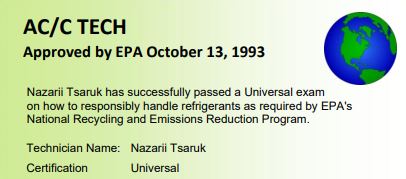
EPA Universal Certified. This is the highest level of certification provided under the EPA’s National Recycling and Emissions Reduction Program. It authorizes A/C Dr. Naz to handle refrigerants for all types of equipment, from small residential ACs to the most complex industrial refrigeration systems.


The Complete Guide to Commercial Convection Oven Repair
When you run a bustling kitchen in the heart of Seattle, your convection oven is often the workhorse of your culinary operations. From perfectly baked pastries to evenly roasted meats, these appliances rely on precise airflow and temperature control. Understanding the fundamentals of commercial convection oven repair can save your restaurant time, money, and lost revenue during a busy service.
As experts at A/C Dr. Naz, we’ve created this comprehensive guide to help kitchen managers and chefs understand how these units operate, spot early warning signs of failure, and know exactly when it is time to call in the professionals for comprehensive commercial kitchen equipment repair.
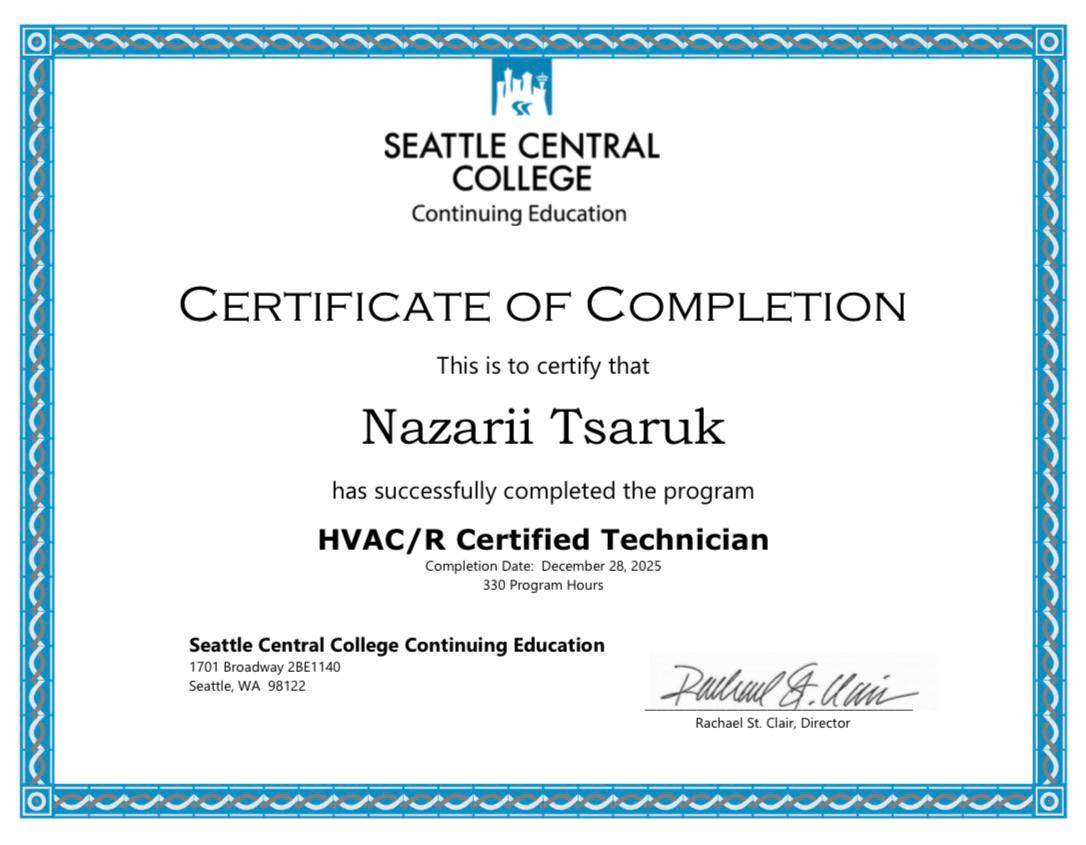
Federally Certified HVACR Expertise
HVACR certification is a professional credential that demonstrates an individual has completed formal training and met industry standards in heating, ventilation, air conditioning, and refrigeration systems.
How Convection Ovens Work (And Why They Fail)
Unlike standard radiant ovens, convection ovens utilize a motorized blower fan to circulate heated air throughout the cooking chamber. This forced-air system eliminates cold spots, cooks food up to 25% faster, and allows for multi-rack baking without flavor transfer. However, this added mechanical complexity means there are more components susceptible to wear and tear.
The Most Common Culprits Behind Breakdowns
The need for commercial convection oven repair typically stems from a few specific mechanical or electrical failures:
- Blower Fan Motor Failure: If the fan stops spinning, the oven loses its “convection” capability, leading to uneven cooking and burnt dishes. You may hear a grinding noise before the motor completely seizes.
- Burnt-Out Heating Elements: Commercial ovens endure grueling hours. Over time, the heavy-duty heating elements (or gas burners) degrade and fail to reach target temperatures.
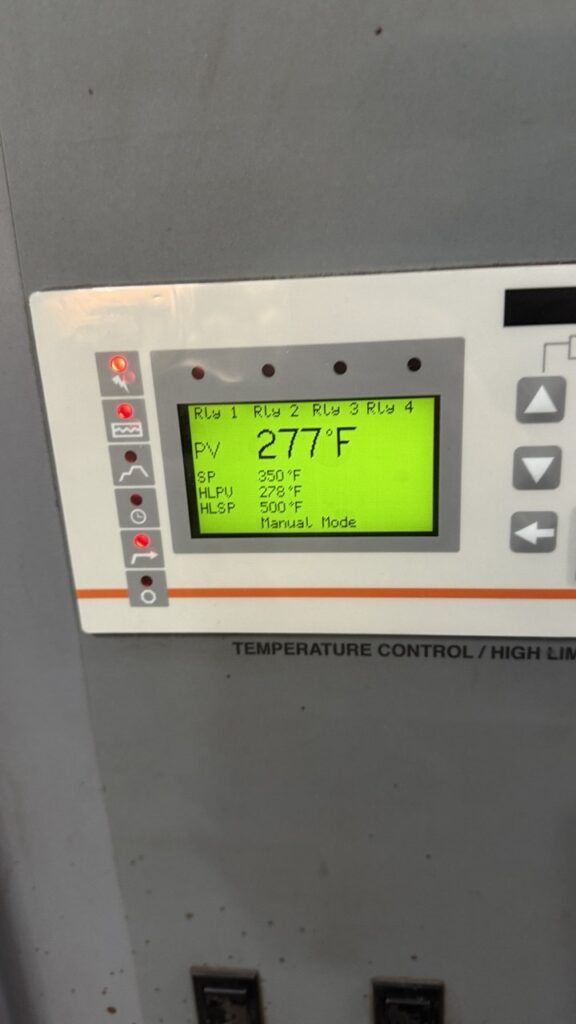
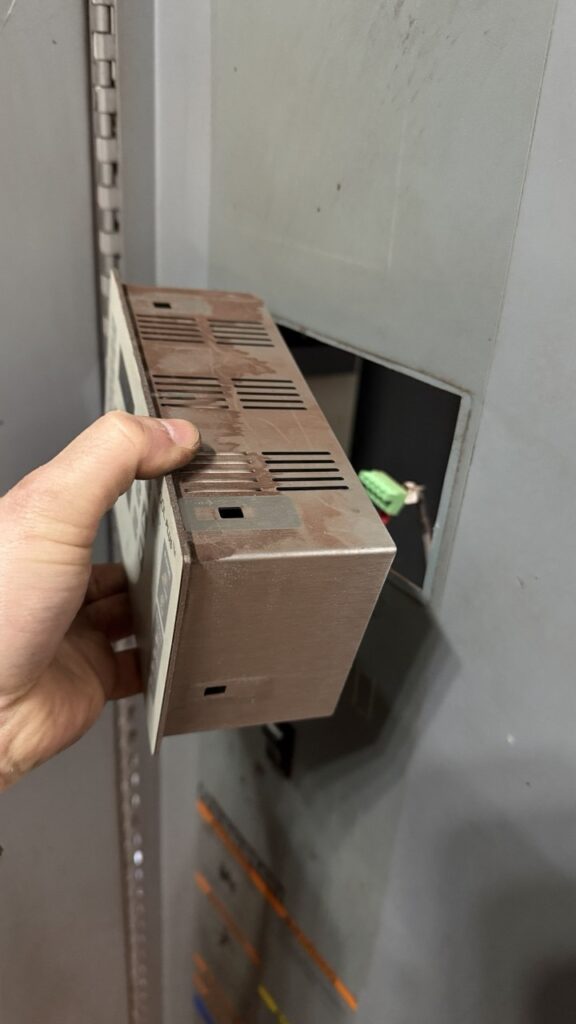
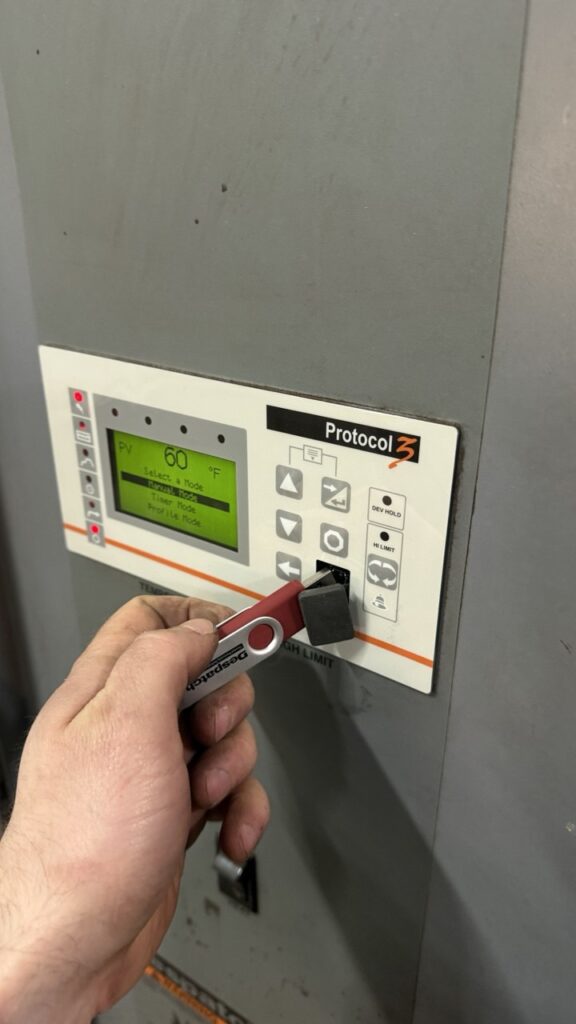
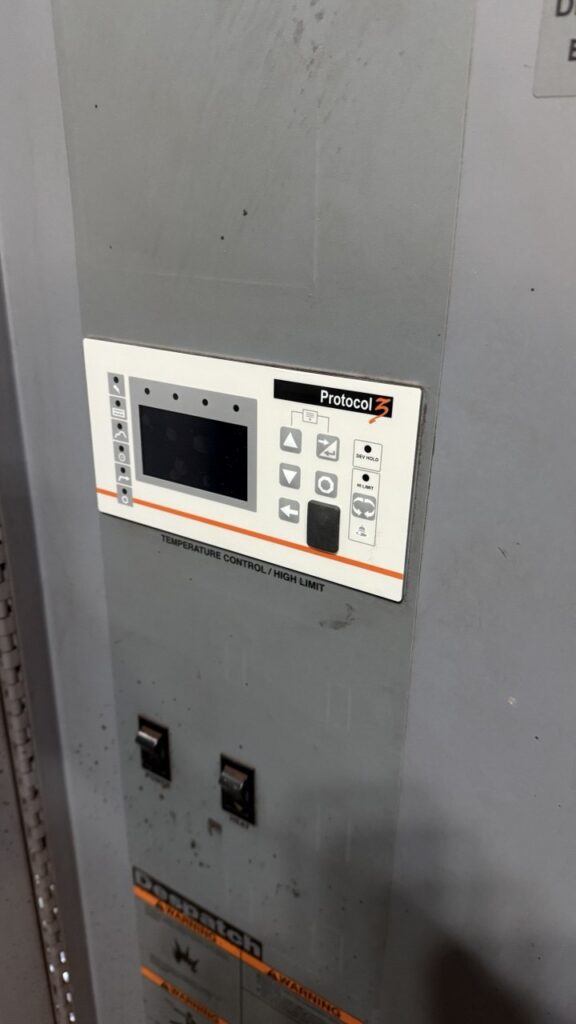
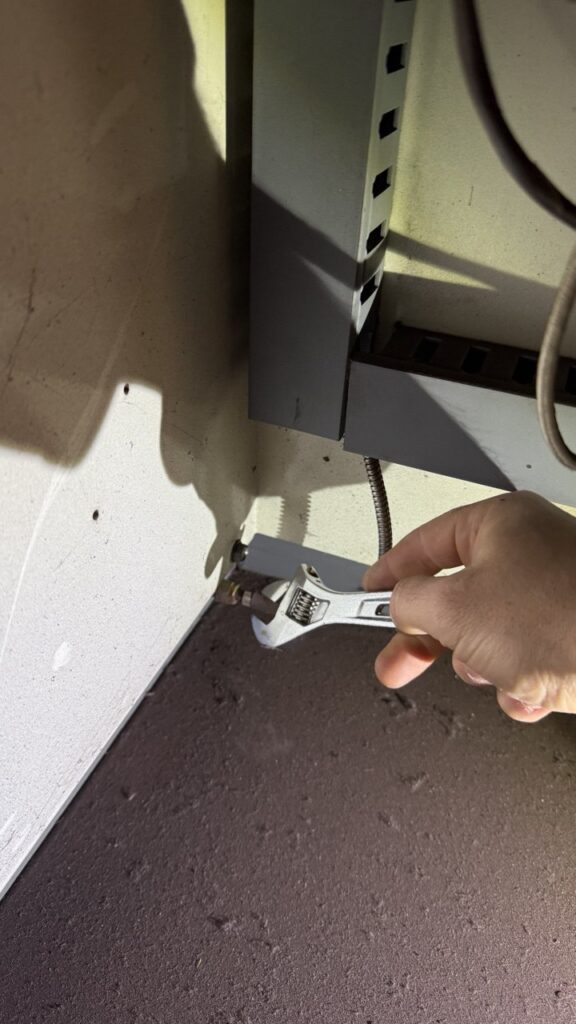
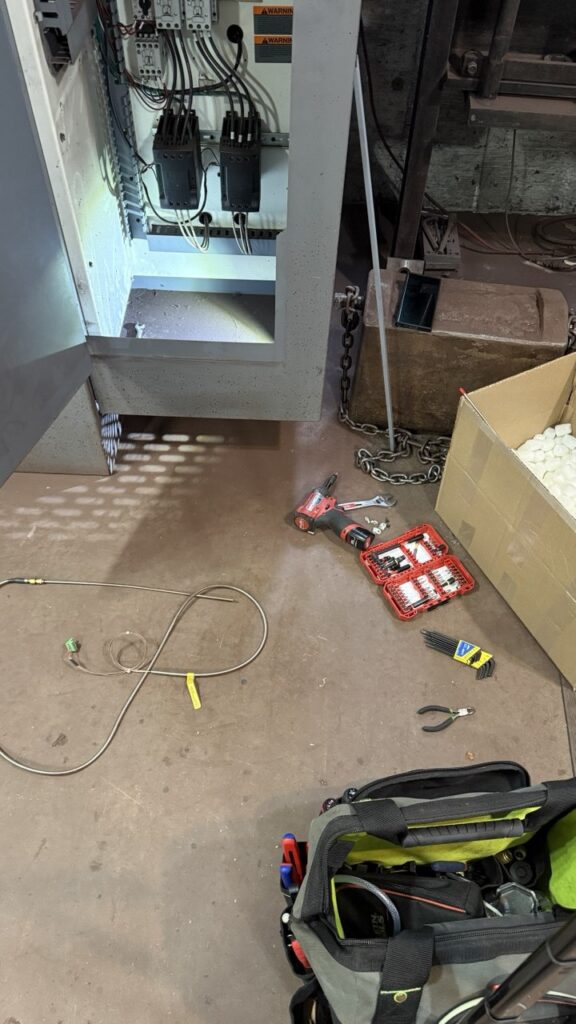
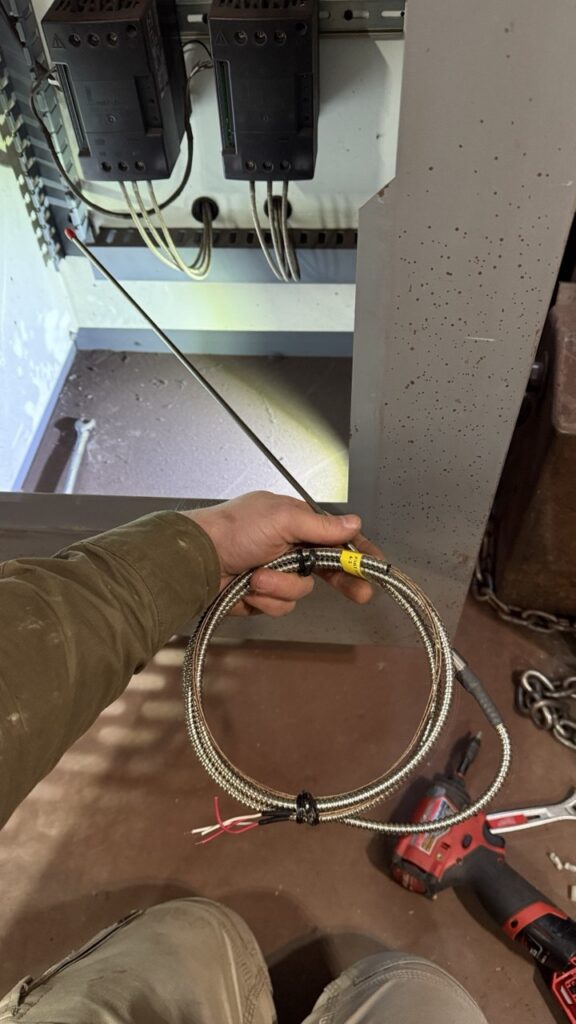
- Faulty Thermostats and Sensors: If the capillary tube or temperature sensor is damaged, the oven cannot accurately read its internal heat, leading to severe temperature fluctuations.
- Worn Door Gaskets: A degraded door seal allows vital heat to escape. This forces the oven to work overtime to maintain temperature, spiking your utility bills and shortening the lifespan of internal components.
Signs You Need Commercial Convection Oven Repair
Catching issues early prevents minor part replacements from turning into catastrophic equipment failures. Keep an eye out for these warning signs:
- Inconsistent Cooking Times: If your signature dish suddenly takes 15 minutes longer to cook, the heating element or fan is likely compromised.
- Loud Vibrations or Squealing: The blower motor bearings may be failing.
- Pilot Light Issues (Gas Models): If the pilot won’t stay lit, you may have a clogged orifice or a faulty thermocouple.
- Failure to Maintain Temperature: If your oven cannot hold the critical temperatures required by the FDA Food Code for safe food preparation, immediate commercial convection oven repair is mandatory to prevent foodborne illness.
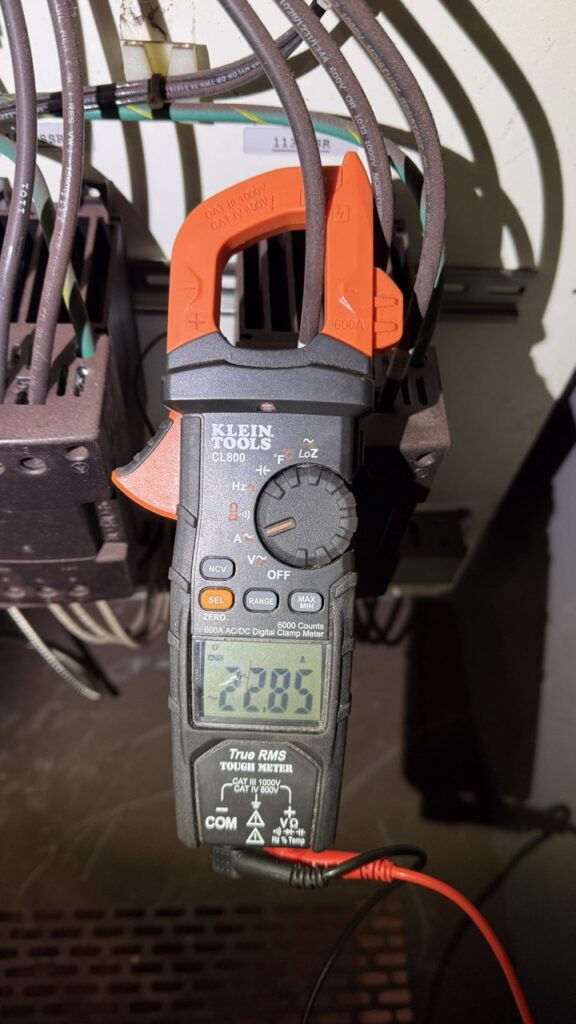
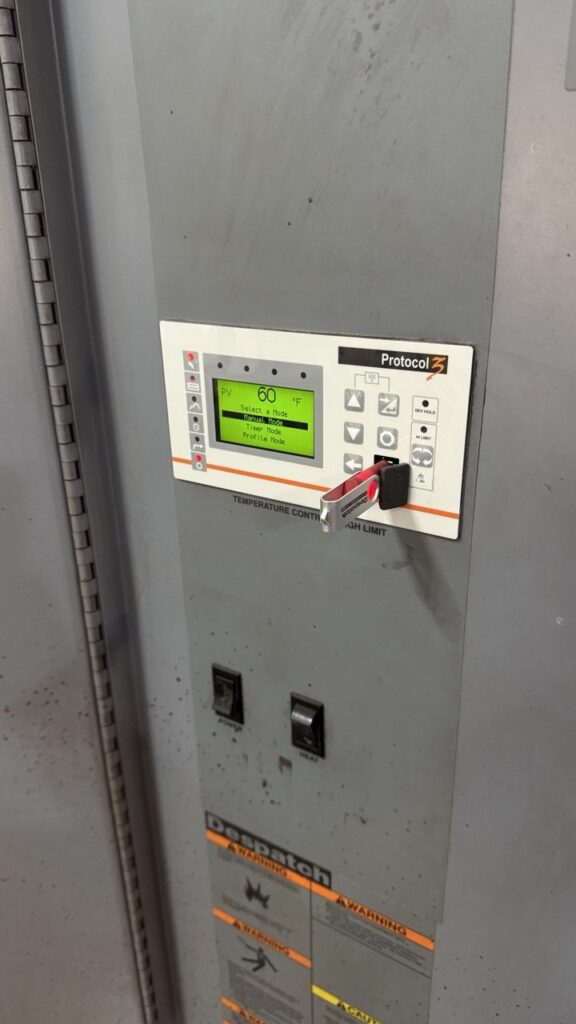
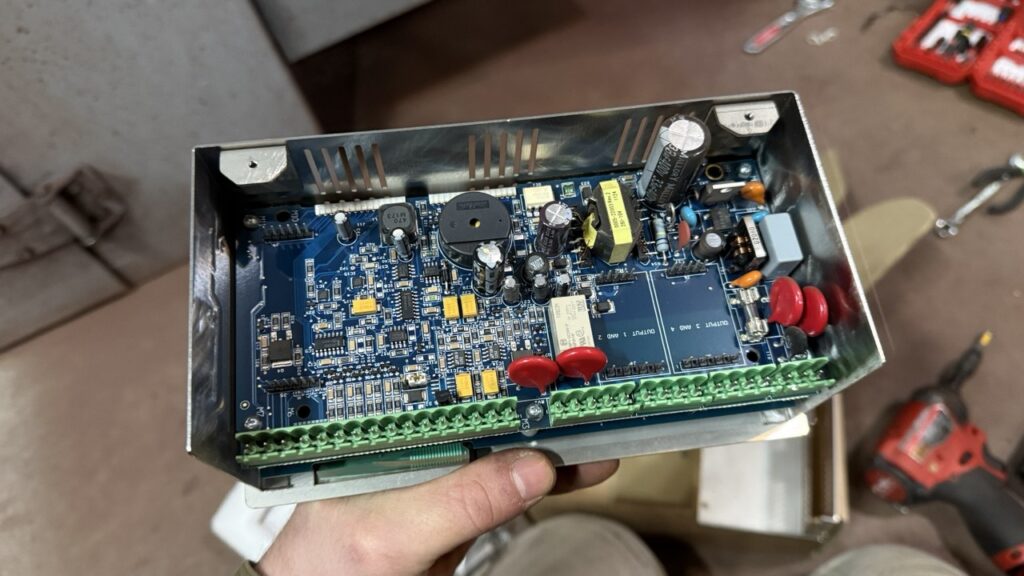
When to Call the Professionals at A/C Dr. Naz
While basic troubleshooting—like checking the breaker or ensuring the doors are properly latched—is helpful, attempting DIY commercial convection oven repair on complex electrical or gas components is highly dangerous. Commercial voltage levels and gas lines require certified technicians.
When your kitchen comes to a halt, you need specialized intervention. By reaching out to our commercial oven repair specialists at A/C Dr. Naz, you ensure the job is done safely, up to code, and with high-quality OEM parts. We understand the fast-paced Seattle restaurant scene and work diligently to minimize your downtime.
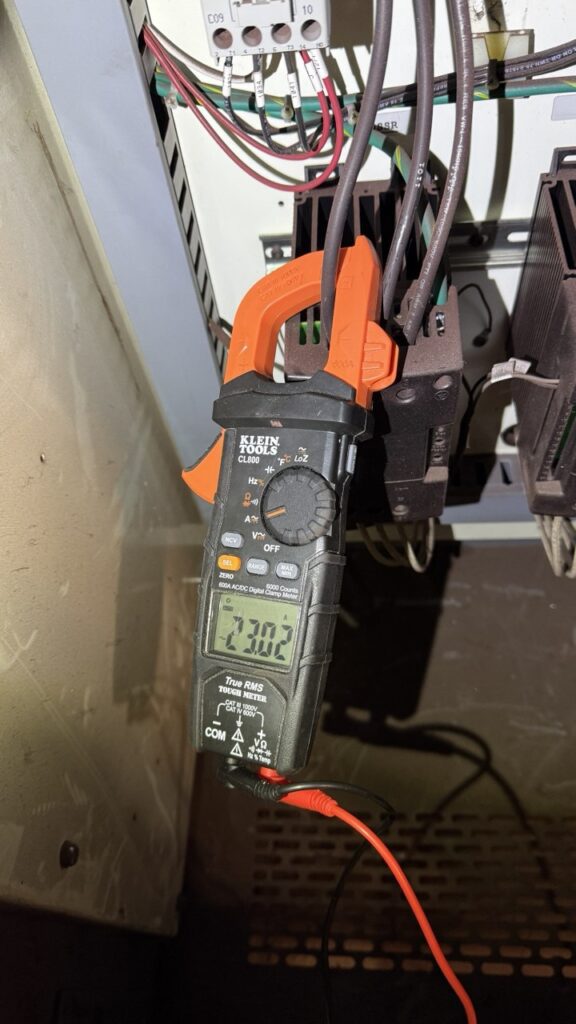
Preventative Maintenance: Protecting Your Investment
The absolute best way to avoid the stress of emergency commercial convection oven repair is through routine preventative maintenance.
Pro Tip: Keep the interior fan baffle clean. A buildup of grease and carbon on the fan blades restricts airflow, throws the fan off balance, and prematurely burns out the motor.
- Daily: Wipe down the interior with non-abrasive cleaners and inspect the door gasket for tears.
- Weekly: Clean the intake fans and ensure there is proper clearance around the oven for ventilation.
- Bi-Annually: Have a technician calibrate the thermostat. An efficiently running and well-maintained oven also consumes less energy, keeping your kitchen in line with ENERGY STAR® commercial food service guidelines, which lowers overhead costs.
Proper care extends the life of your equipment, but wear and tear are inevitable in commercial food service. Knowing the mechanics behind your oven ensures you are prepared when issues arise.
Don’t Let a Cold Oven Stop Your Service
In the competitive Seattle culinary scene, consistency isn’t just a goal—it’s a requirement. A malfunctioning fan or a failing heating element shouldn’t be the reason your kitchen falls behind. Investing in timely commercial convection oven repair is the most effective way to safeguard your menu, protect your equipment’s lifespan, and keep your utility costs in check.